ETSI TR 104 171, Announced 24 September 2026, Sets Entropy Zero Trust and Four Trust Levels for Quantum Random Number Generators: What Its Side-Channel Catalog Means for Military Key Generation
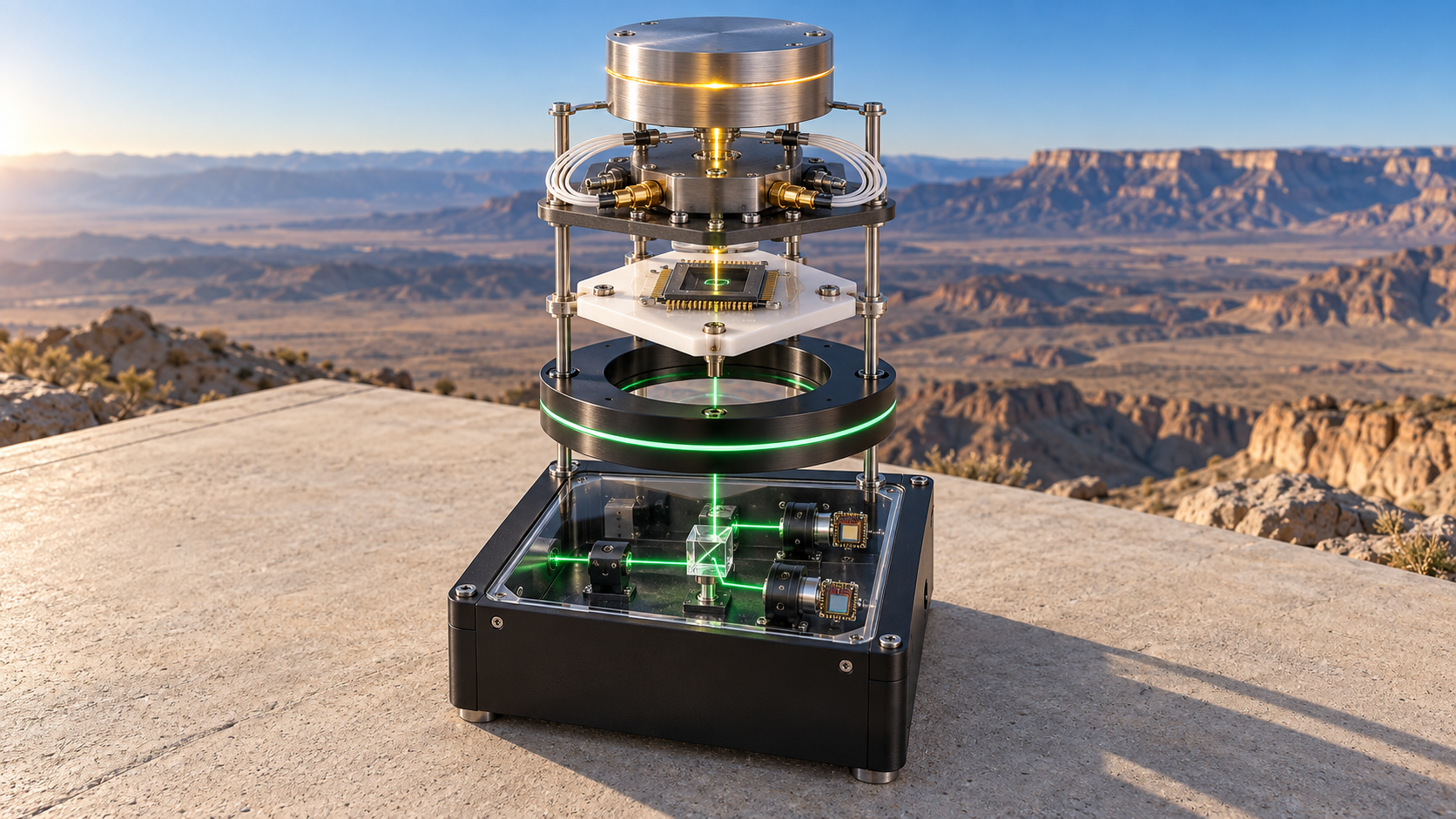
ETSI announced on September 24, 2026 its technical report TR 104 171, published in March 2026, on building a quantum random number generator whose output stays unpredictable once real detectors, power supplies and drivers surround the quantum source. We read its Entropy Zero Trust profile, its four trust levels up to a military and critical-infrastructure grade, and its catalog of blinding, electromagnetic, radiation, power and timing side channels as defense-specific capability: who gains from an attested entropy source beneath a hardware root of trust, what a surveillance-drone one-time pad and a certificate authority ask of the same device, and why an informative report with no test method for its top trust level still leaves a program office to write its own acceptance test.

SEALSQ's QVault TPM Puts ML-DSA and ML-KEM in Silicon and wolfSSL's wolfTPM Now Drives It: What the September 3, 2026 Integration Means for Long-Life Defense Platforms
SEALSQ and wolfSSL announced on September 3, 2026 that the wolfTPM stack now drives the QVault TPM, a chip on track to be the first shipping TPM 2.0 device with ML-DSA and ML-KEM in silicon under the Trusted Computing Group's v1.85 specification. We read the integration as a hardware root of trust story for thirty-year defense platforms, where the soldered TPM is the last chip to change, and set out what still stands between this laboratory integration and a post-quantum TPM a program office could specify: an availability date, independent validation and public side-channel scrutiny.