
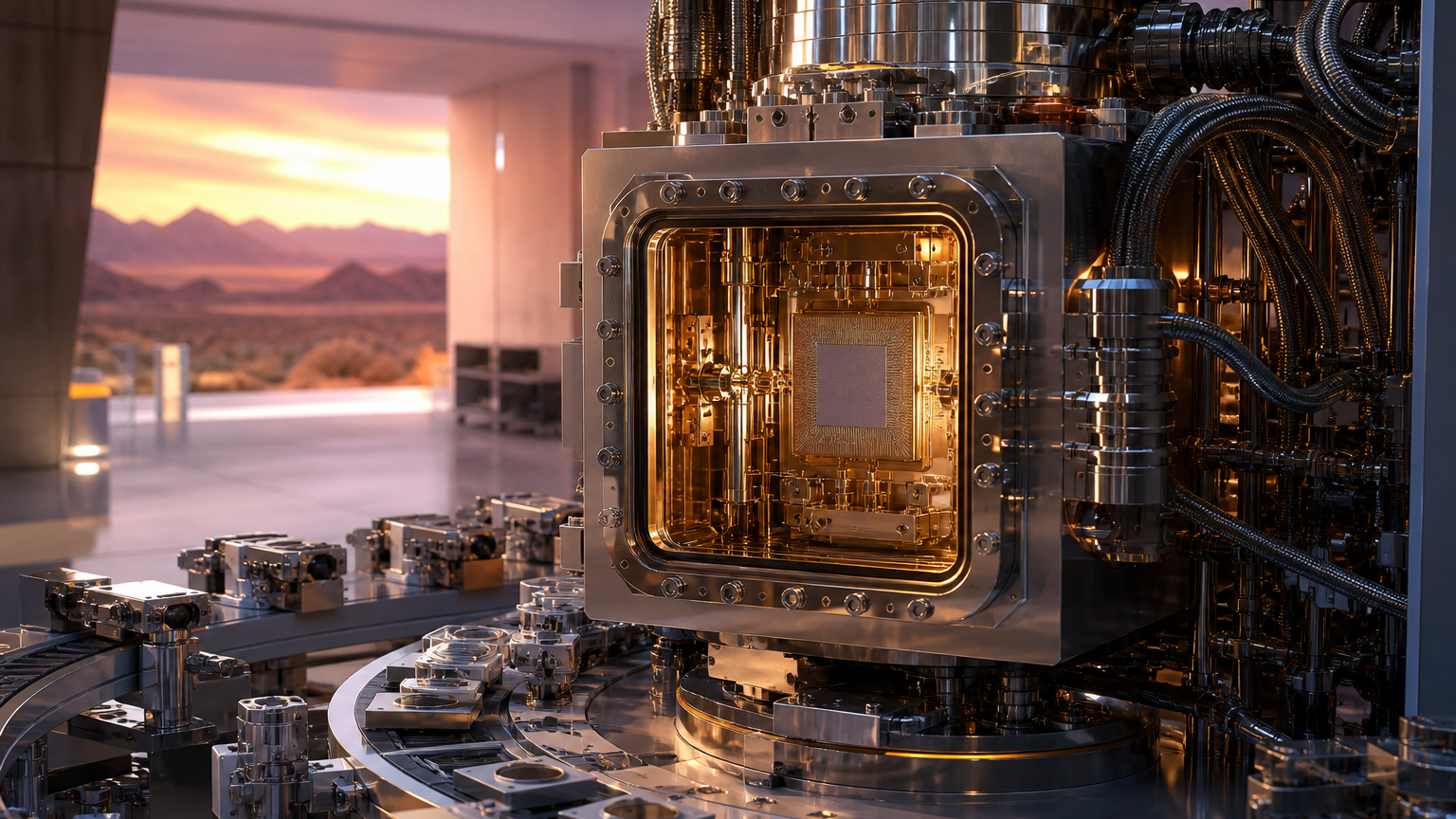
Science: A New Golden Age: The White House, Quantum, and the Genesis Mission
A national science design meets quantum
The White House report Science: A New Golden Age argues that federal science should shape the arena in which discovery happens. Its central case is the Genesis Mission, an AI-for-science program built around Department of Energy laboratories, scientific instruments, computing systems and public-private partnerships. Quantum information science runs through the report as both a strategic field and a demanding test of that institutional design.
The discovery engine needs a verifier
Quantum materials, error-correction searches and device characterization fit the Mission’s emphasis on large scientific search spaces. Yet faster generation creates a second burden. The report calls for verification capacity equal to the new discovery machinery. Recent quantum-computing claims show why: confidence bounds, independent replication and strong classical challengers determine whether an apparent advantage can survive scrutiny. Quantum verification infrastructure therefore belongs inside the discovery system, not at its edge.
Coordination will decide the reach
The Genesis Mission supplies a model for connecting national laboratories, private research capacity and shared facilities. Quantum adds cryptography, networks, sensing, AI and supply chains to the same strategic calendar. The open implementation question is whether those domains will share priorities, access rules and measures of progress. That choice will shape whether AI for science accelerates isolated experiments or a durable national quantum capability.
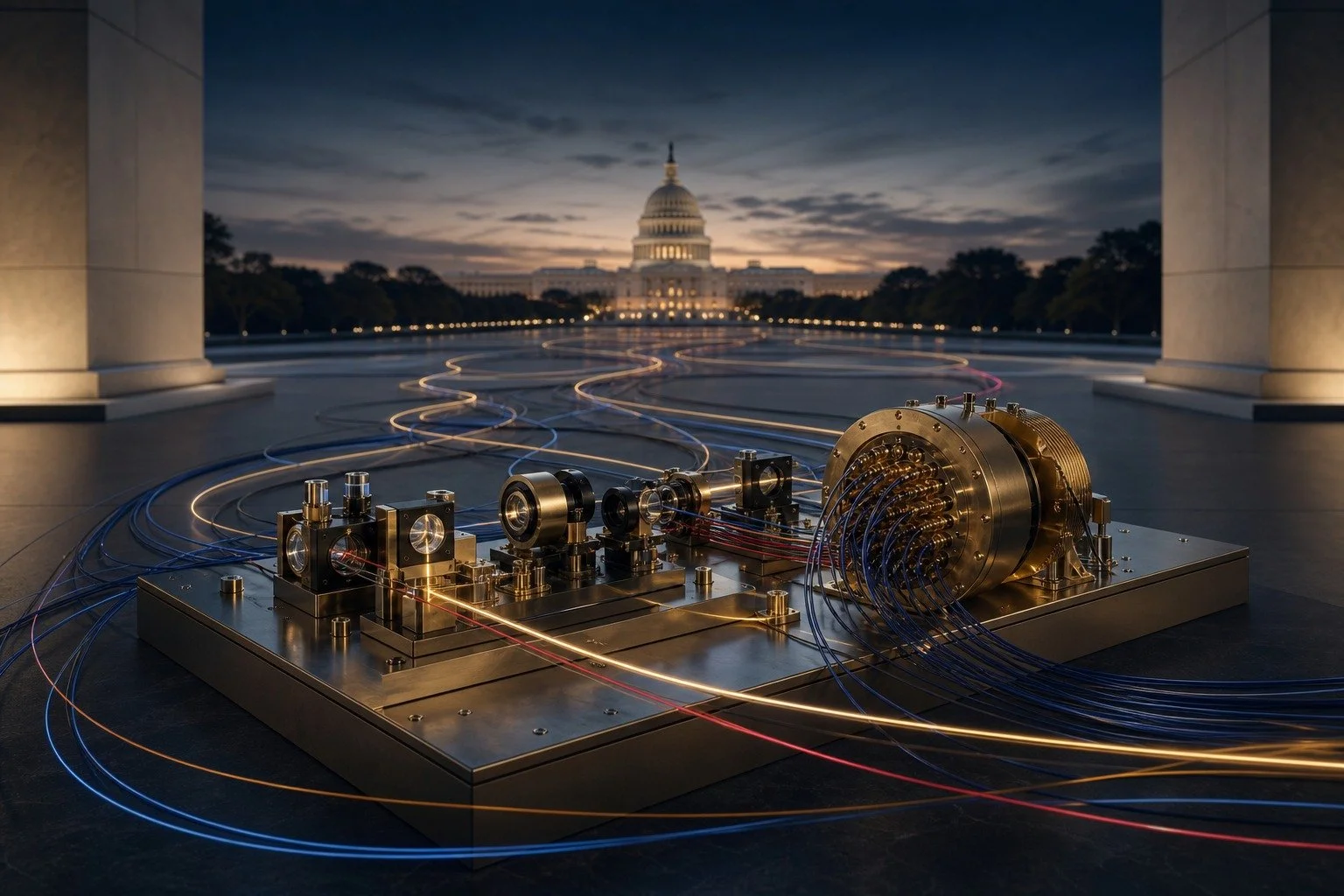
What Quantum Technologies Mean for American Values
Quantum technology as a values test
Quantum technologies will reshape medicine, energy, security, and the economy within our lifetimes. This post reads quantum computing, sensing, networking, post-quantum cryptography, and quantum-AI as a test of American values: privacy, verifiability, open knowledge, shared prosperity, and democratic leadership. The question is whether free societies build those values into the systems early enough, while standards, procurements, research programs, and security migrations are still taking shape.
Preparing for Q-Day
Q-Day is the moment when a cryptographically relevant quantum computer can break the public-key encryption that protects hospitals, banks, grids, government systems, lawyers, journalists, dissidents, and ordinary private life. The point is not panic. The point is preparation before the deadline arrives, through post-quantum migration, cryptographic inventory, and public institutions that make the record visible.
The Genesis Mission and the public record
The piece connects the Genesis Mission, NSF Project Triad, Executive Orders 14412 and 14413, OMB M-26-15, Korea’s finance-sector PQC pilot, and the ASML supply-chain question into one civic argument: the free world needs truth-grounded intelligence before quantum capability hardens into infrastructure. The conclusion points both boards and citizens toward preparation, open briefings, and support for keeping Quentir’s public intelligence work accessible, in plain language and with sources readers can check.