Peking University Puts Solid Walls Into a Quantum Fluid Solver: the Quantum Lattice Boltzmann Paper of 5 September 2026 and Its Emulated Flows at Reynolds 6 to 71
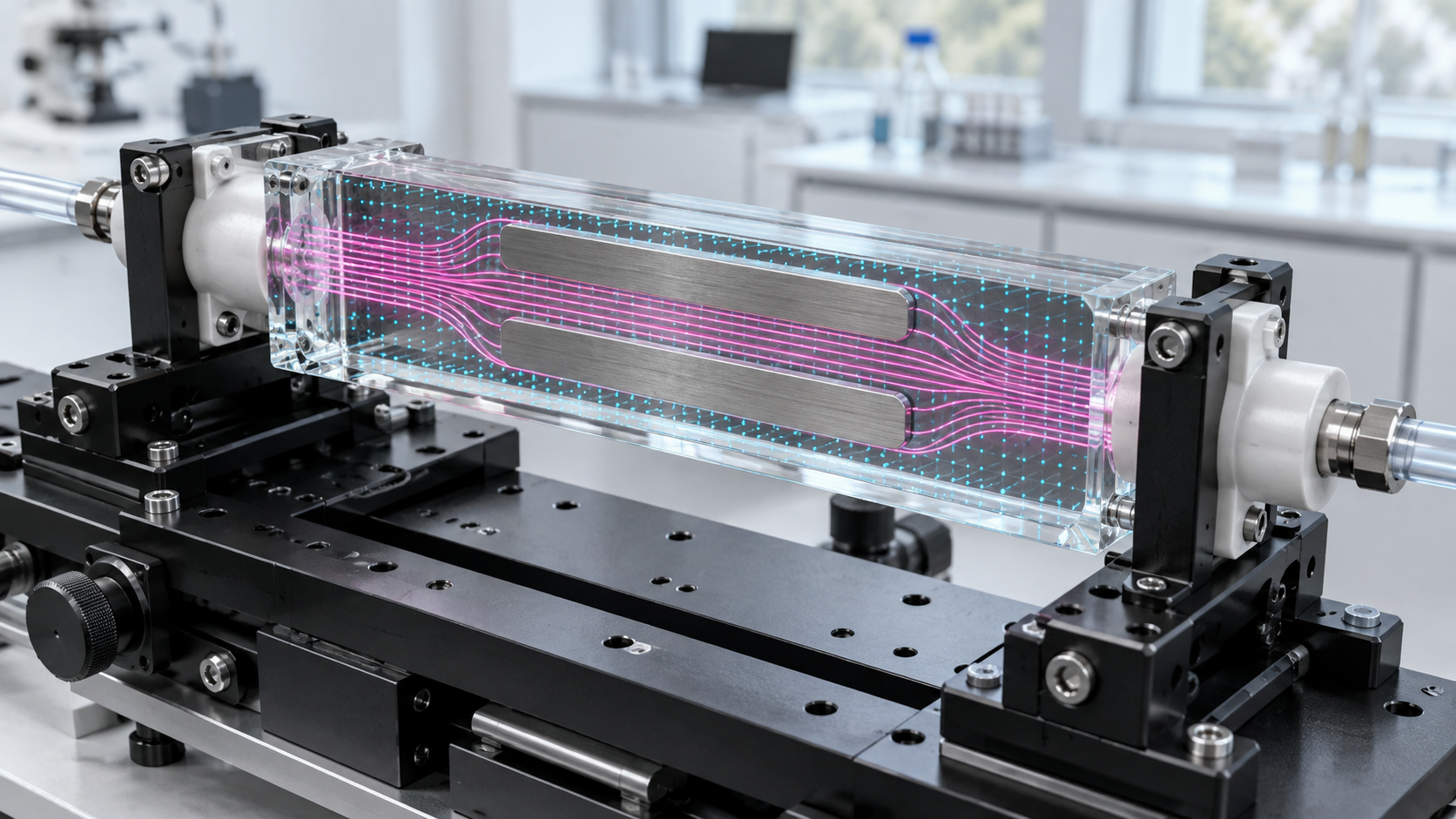
On September 5, 2026, Peking University's turbulence laboratory posted a quantum lattice Boltzmann method that carries solid walls, inlets and outlets inside the quantum computation, the ingredient separating quantum flow demonstrations from real geometry. We read its 23-qubit Poiseuille case at Reynolds 6.37 and its larger emulated flows up to Reynolds 71 as a dual-use step toward computational fluid dynamics on quantum machines, and measure the distance from a noiseless emulator to the turbulent, high-Mach regimes where aerodynamic design actually lives.
A Quantum Fluid Solver Gets an Exascale Reality Check
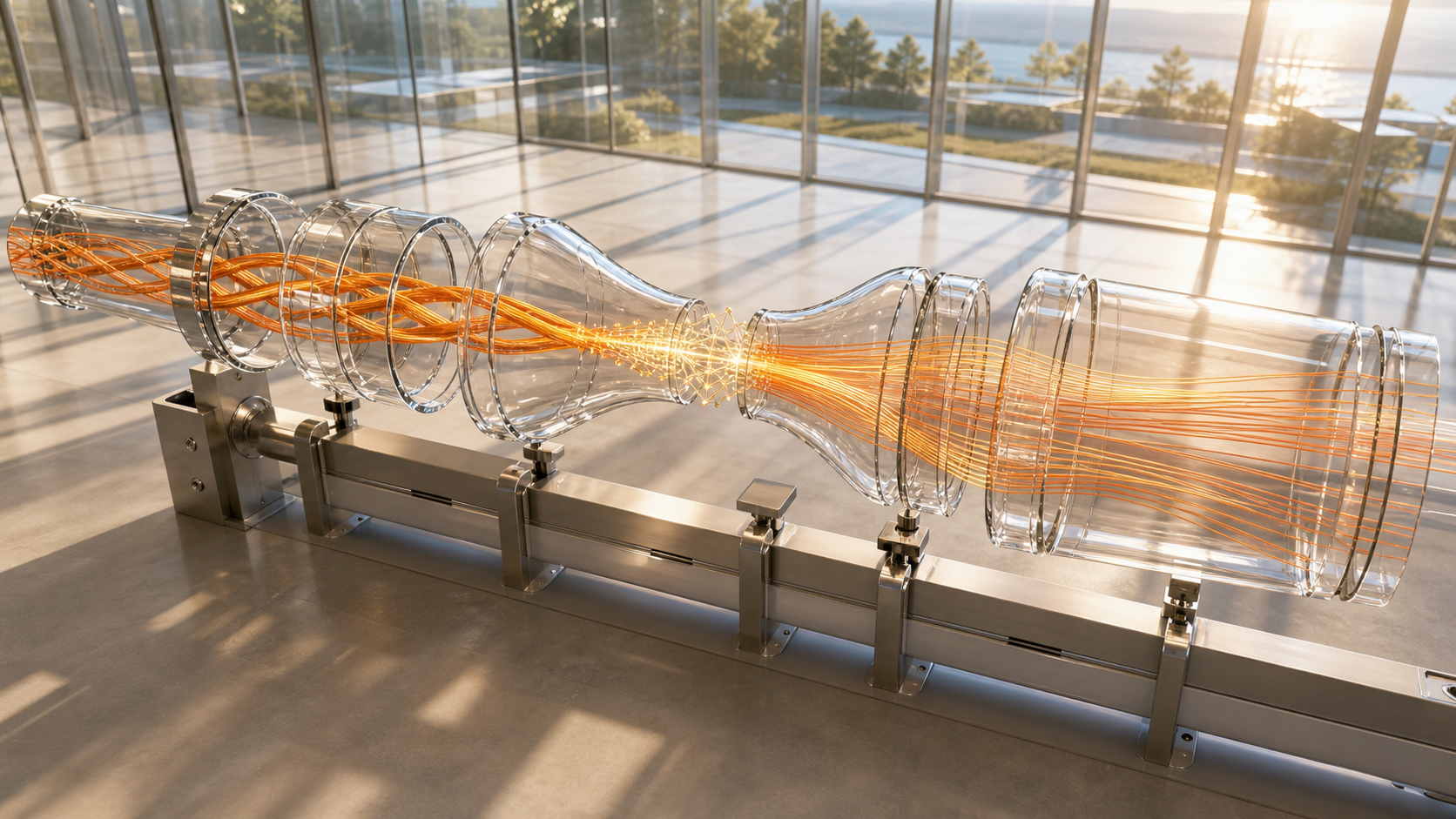
An Oak Ridge team ran a variational quantum linear solver for fluid dynamics end to end on the Frontier exascale machine and published the honest bill: memory costs cut over a thousandfold, circuit design rules that fail to predict convergence, and every qubit still emulated. For the discipline behind hypersonic flow simulation, it is the first production-scale accounting of what a quantum CFD pipeline actually costs.