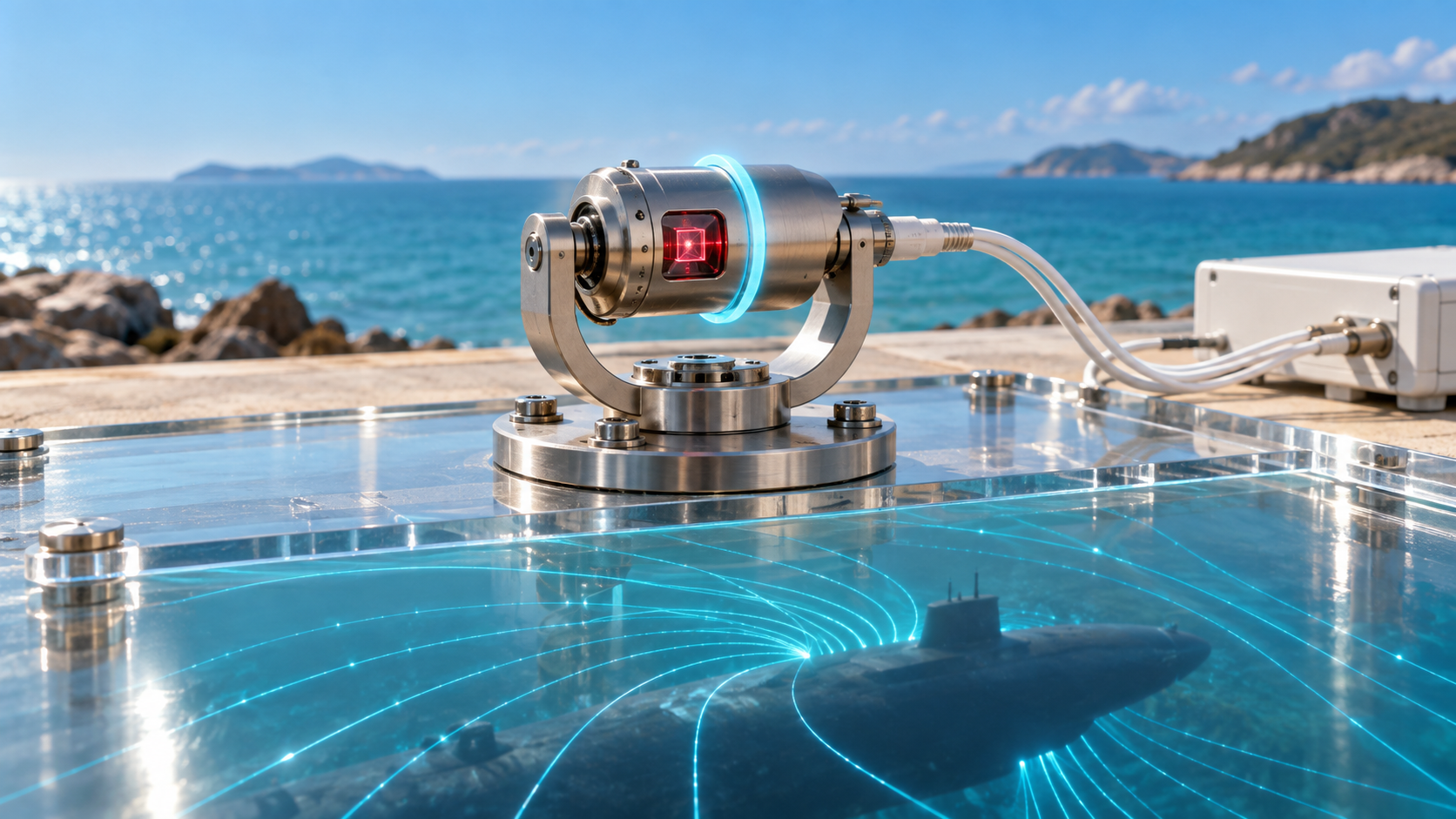
USTC's Wang, Jiang and Peng Field-Test a 7 cm³ Rubidium Magnetometer at 10 pT/√Hz and 25,200 nT/s Slew: Subway Trains, a G4 Storm and a Buried Magnet, Acta Physica Sinica, September 2026
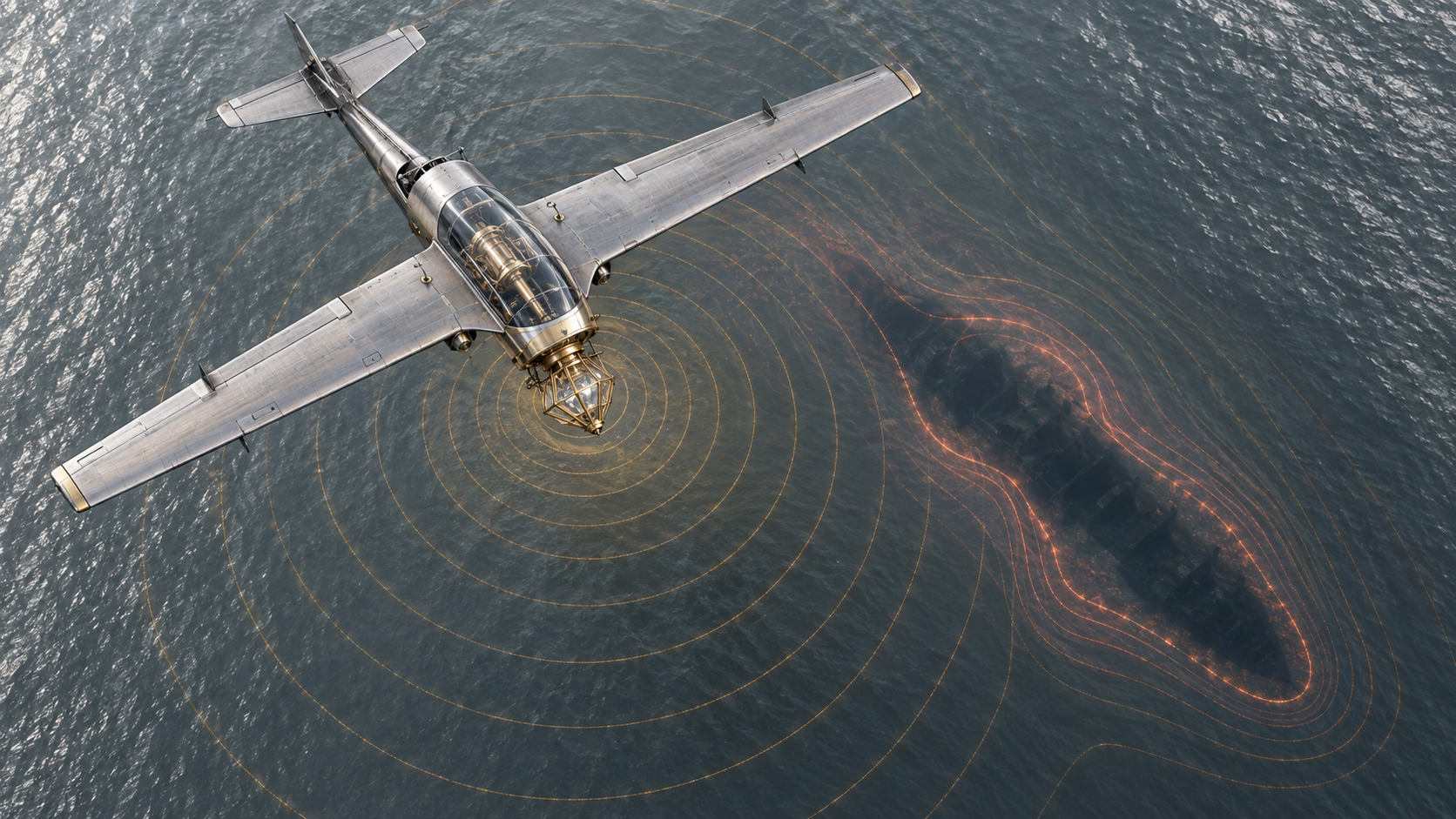
Japan's Defense Ministry Puts Drone-Mounted Quantum Magnetometers for Submarine Detection in Its Fiscal 2027 Budget Request, With Prototypes Planned for 2027 to 2031
Nikkei reports that Japan's Ministry of Defense wrote a quantum magnetometer for small drones into its fiscal 2027 budget request, with prototypes planned from 2027 to 2031 and Chinese submarines as the surveillance target. We read what the filing establishes for submarine detection from cheap, expendable aircraft, set it beside CASC's 2025 drone-mounted magnetometer trial off Weihai, and lay out what separates an item request from the anti-submarine warfare surveillance net a fleet commander can rely on.
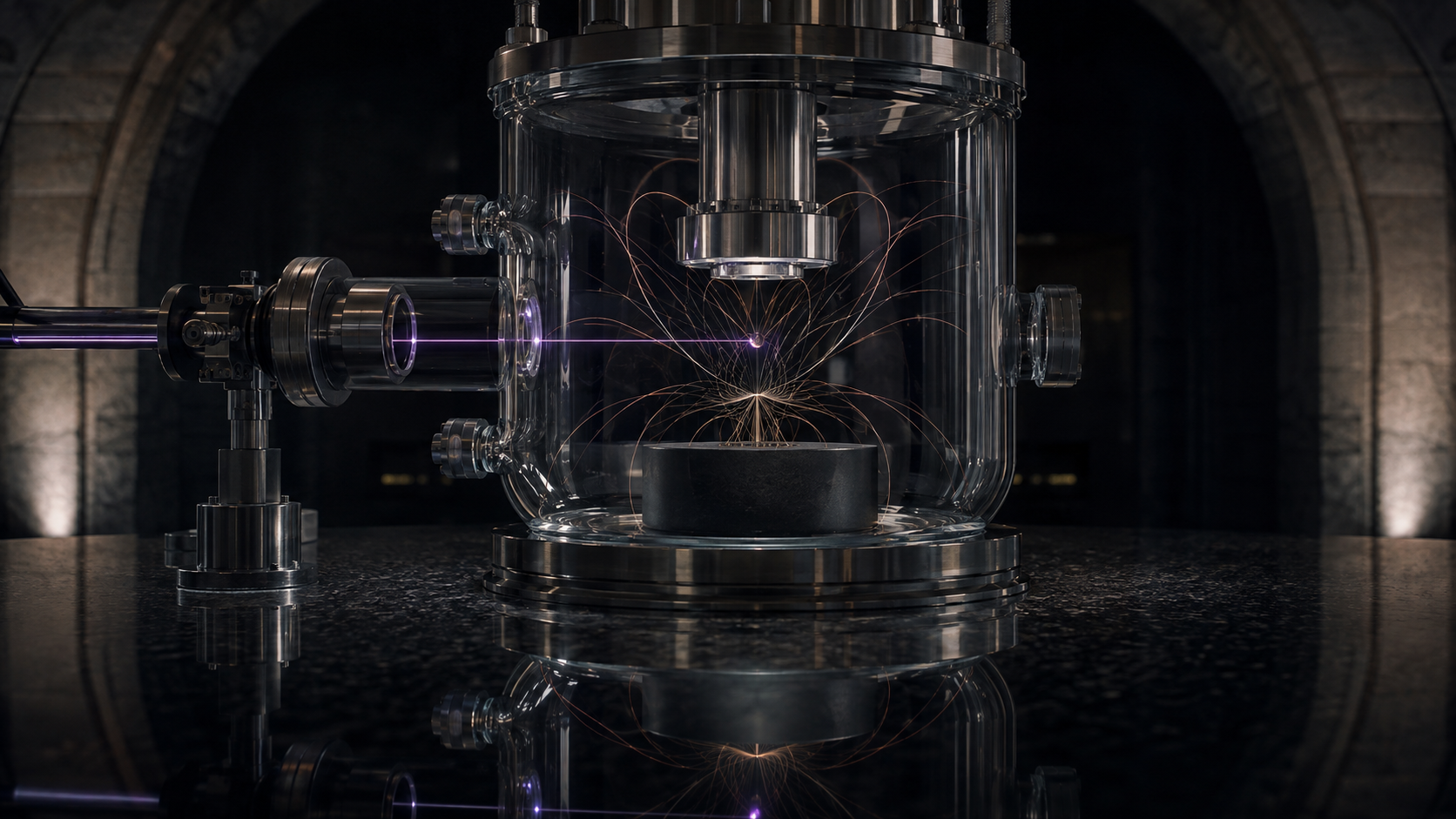
Peking University and Mainz Demonstrate a Levitated Magnet Magnetometer at 32 Femtotesla per √Hz and Room Temperature in Science, the Signal Class of Undersea Magnetic Anomaly Detection
Physicists at Peking University and Johannes Gutenberg University Mainz published a levitated magnet magnetometer in Science whose preprint reports 32 ± 3 femtotesla per root hertz at approximately 305 Hz, at room temperature inside a four-layer cylindrical magnetic enclosure, without cryogenics. Earth-strength background-field tolerance does not establish unshielded sensitivity. The response FWHM is approximately 0.025 Hz, with sensitivity of approximately 1 nT/√Hz below 15 Hz. We read the physics against magnetic anomaly detection of submarines, from the P-3 tail stinger to the Strategic Capabilities Office's throwaway sensor drone, and set out what stands between a quiet optical bench and a sonobuoy-launched sensor, including suitable low-frequency performance or demonstrated signal modulation.