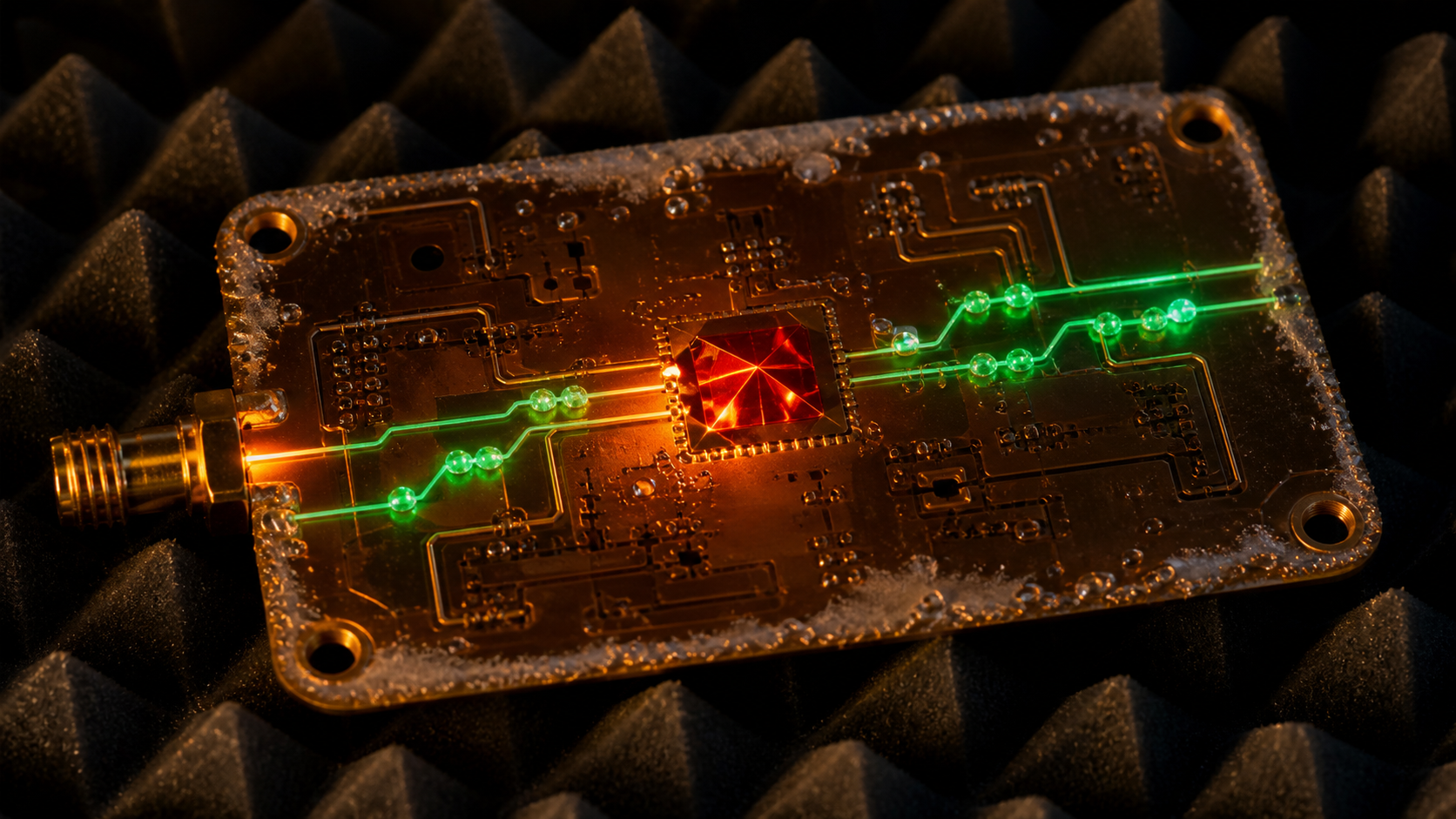
The Raw Material of Quantum Radar Arrives at Room Temperature
MIT researchers report in Nature Electronics a cavity-magnonic device that generates paired correlated microwave signals at room temperature: a yttrium iron garnet film on a printed circuit board splits one pump photon into two outputs at distinct frequencies with a strongly correlated phase relationship. A close look at why the dilution refrigerator has kept quantum illumination radar and correlation-assisted links confined to laboratories, what a warm pair source changes for whom, and the honest distance between strong correlations on a bench and the entangled, target-ranging quantum radar a program office could rely on.
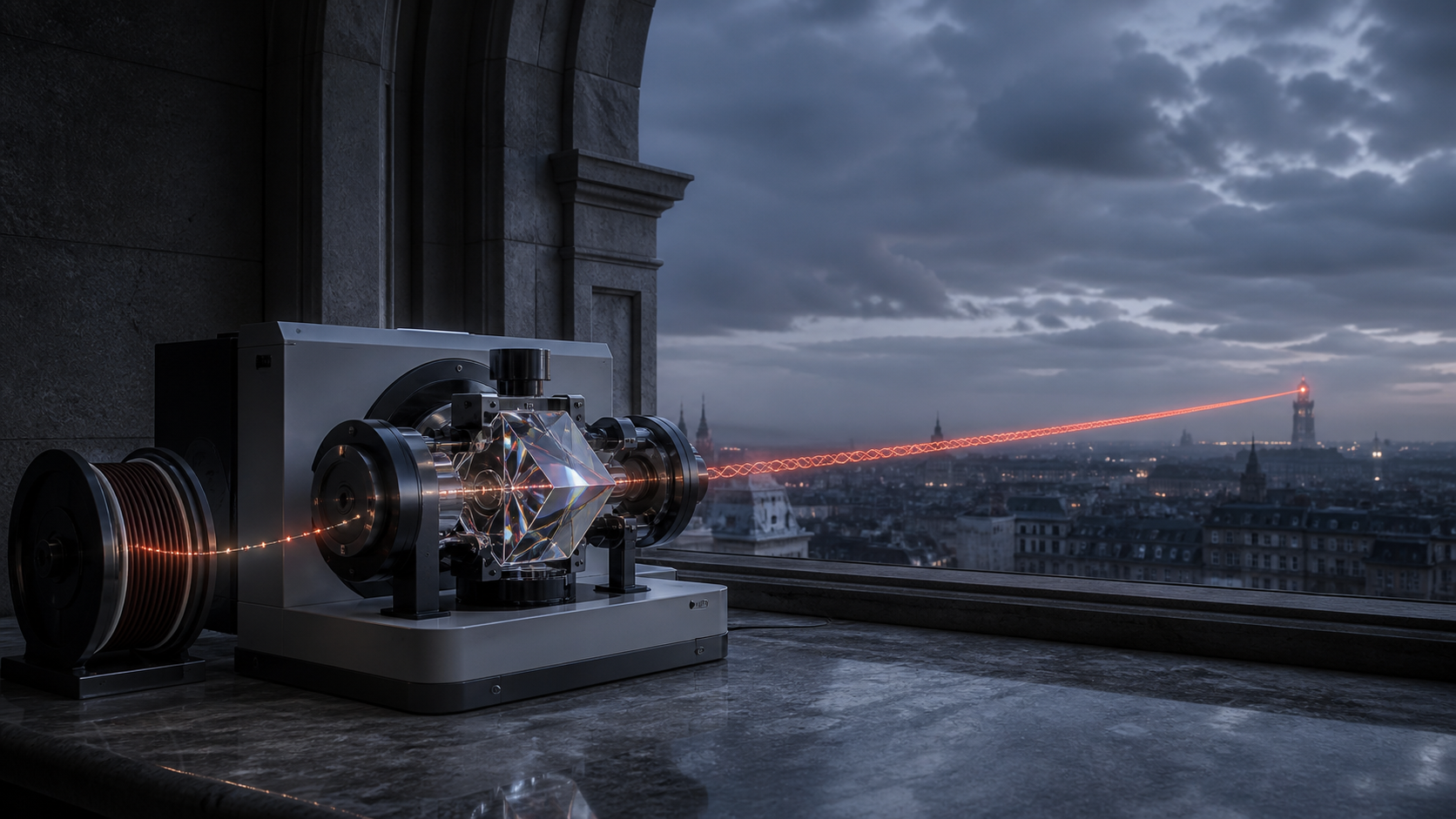
A Quantum Key Crosses From Fiber to Open Air Without a Trusted Node
A Tel Aviv University team, with the Hebrew University and HEQA Security, demonstrated end-to-end quantum key distribution across a hybrid channel: telecom fiber joined to outdoor free-space links of 90 and 750 meters, with the encoding converted all-optically so the junction never reads the key. A close look at what removing the trusted node means for military and critical-infrastructure networks, who gains on each side of the seam, and the engineering and doctrinal distance still separating a rooftop demonstration from a quantum-secure communications procurement.
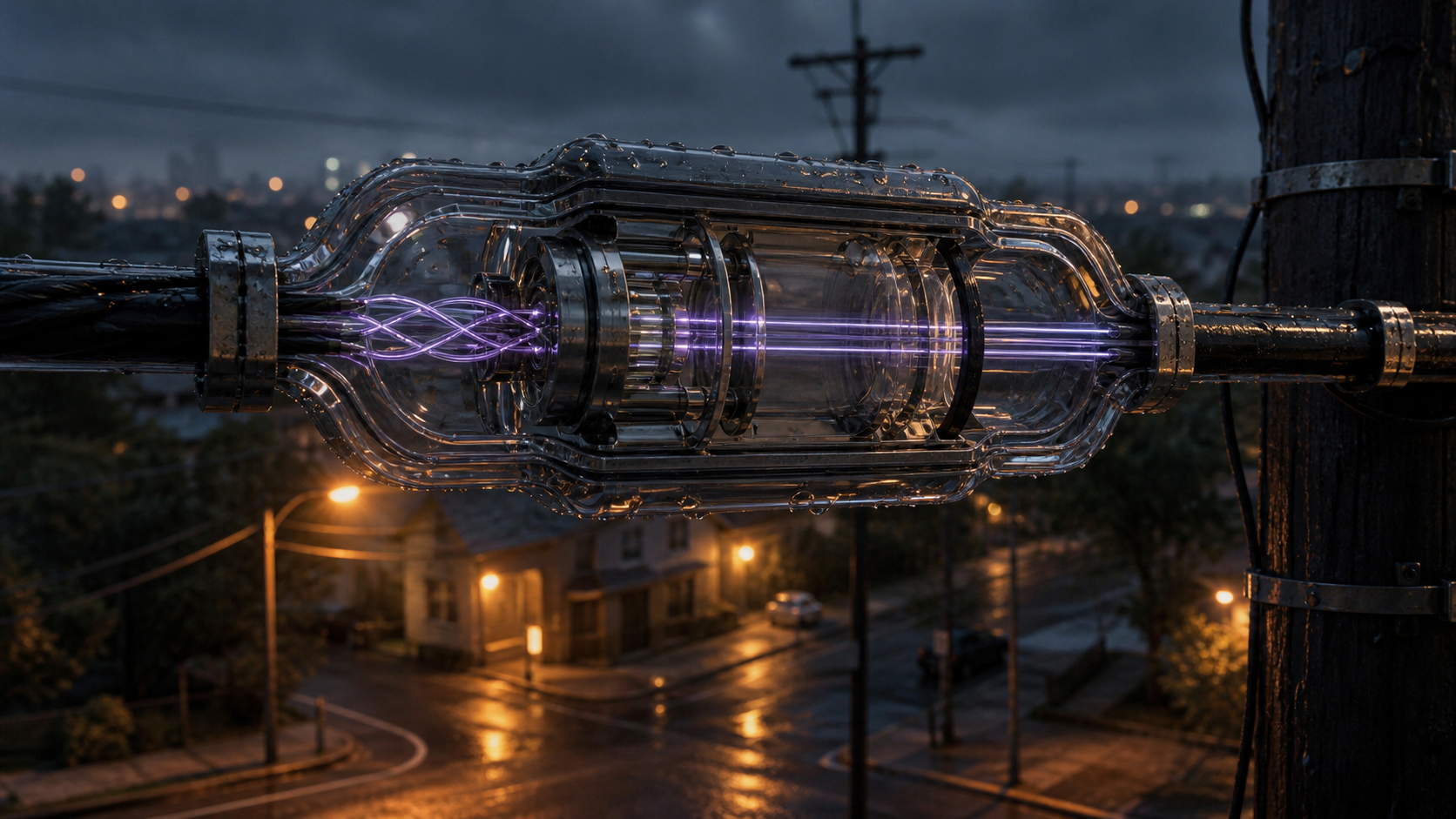
Entanglement Survives 62 Kilometers of Ordinary Aerial Fiber
A NIST, Joint Quantum Institute and Qunnect team sustained entanglement distribution across a 24-hour trial, at 92.8 percent uptime, over 62 kilometers of noisy aerial telecom fiber, moving quantum key distribution links from bespoke builds toward existing infrastructure.
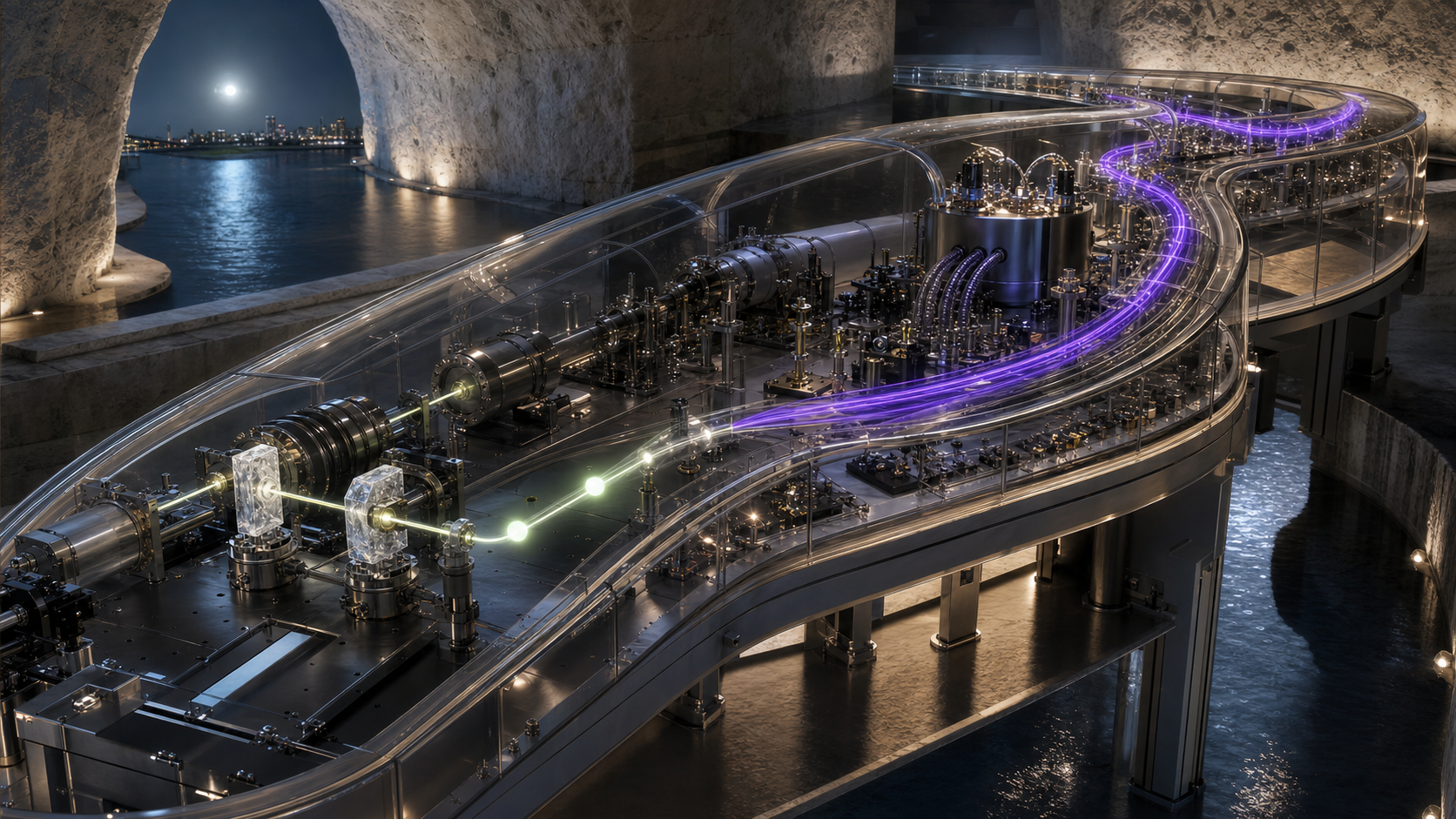
Chicago Shows Quantum Links Can Share Busy Fiber
A 24.4-kilometer trial shows quantum networking can share installed fiber with high-capacity classical traffic, while repeaters and multi-hop service remain ahead.