
INAF Recasts AGILE Gamma-Ray Source Detection as a QUBO for Quantum Annealing, arXiv 2610.37040, 27 October 2026: 97 Percent Correct Positions on 500 Simulated Maps With an Emulated Solver, TRL 2
Fifteen INAF researchers posted arXiv 2610.37040 on 27 October 2026, rewriting gamma-ray source detection and localization on AGILE sky maps as a Quadratic Unconstrained Binary Optimization and solving it with an emulated annealer: the right grid node in 97 percent of 500 synthetic maps and a flux bias of minus 1.9 percent, with a 20 percent background offset and an instance too large for today's hardware. This post reads the paper as a dual-use quantum annealing for source localization capability under the computing pillar's ISR detection branch, draws the public analog to space-based detonation detection sensors, and sets out what a hardware run, a faint-source study and a timing comparison would have to show before a program office could rely on gamma-ray source localization on an annealer.
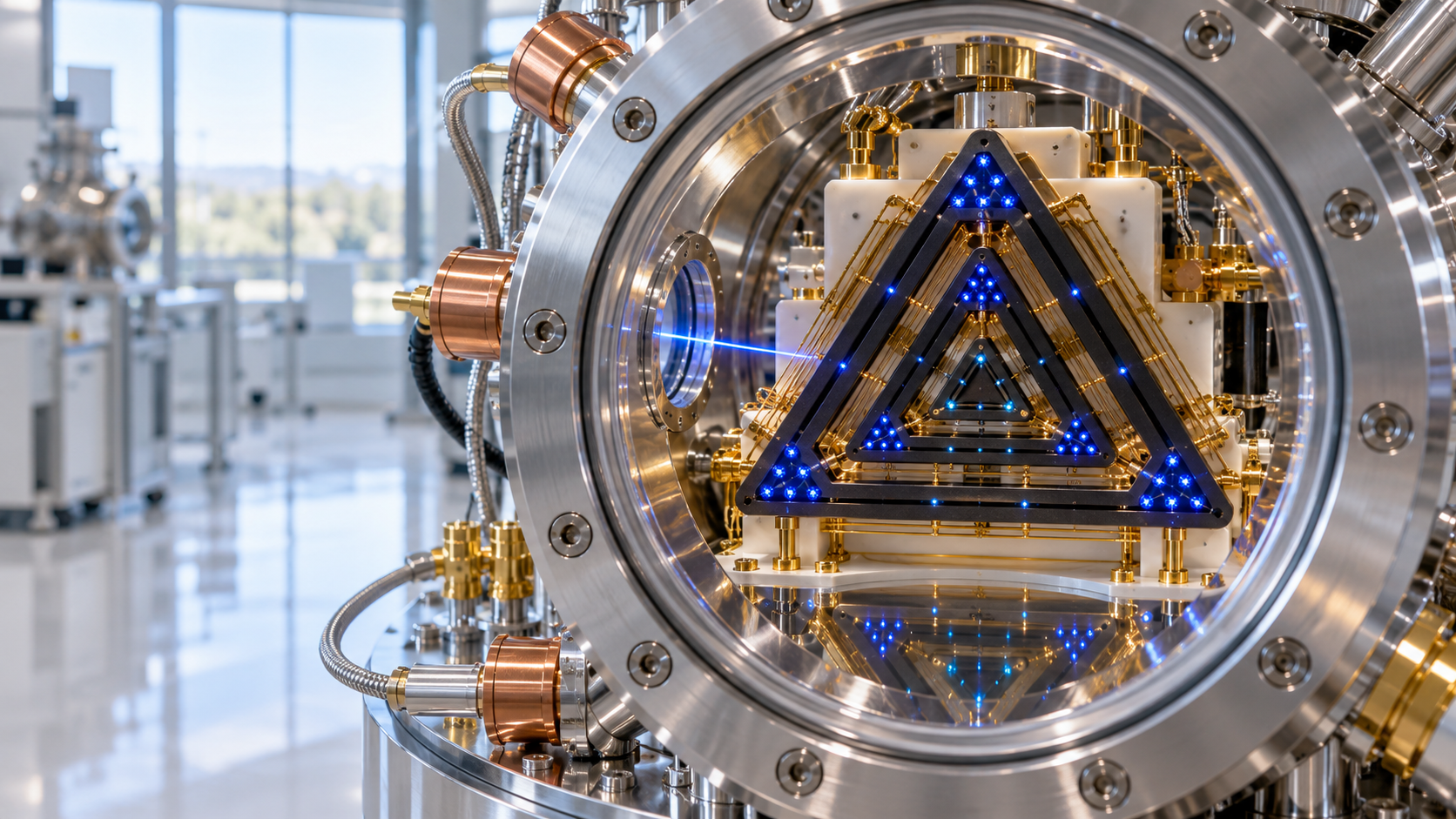
Quantinuum's Helios Holds a Distance-7 Color Code at Five Logical Errors per Million Rounds, 19 October 2026: What 73 Barium Ions per Logical Qubit Change in the RSA-2048 Clock, TRL 3
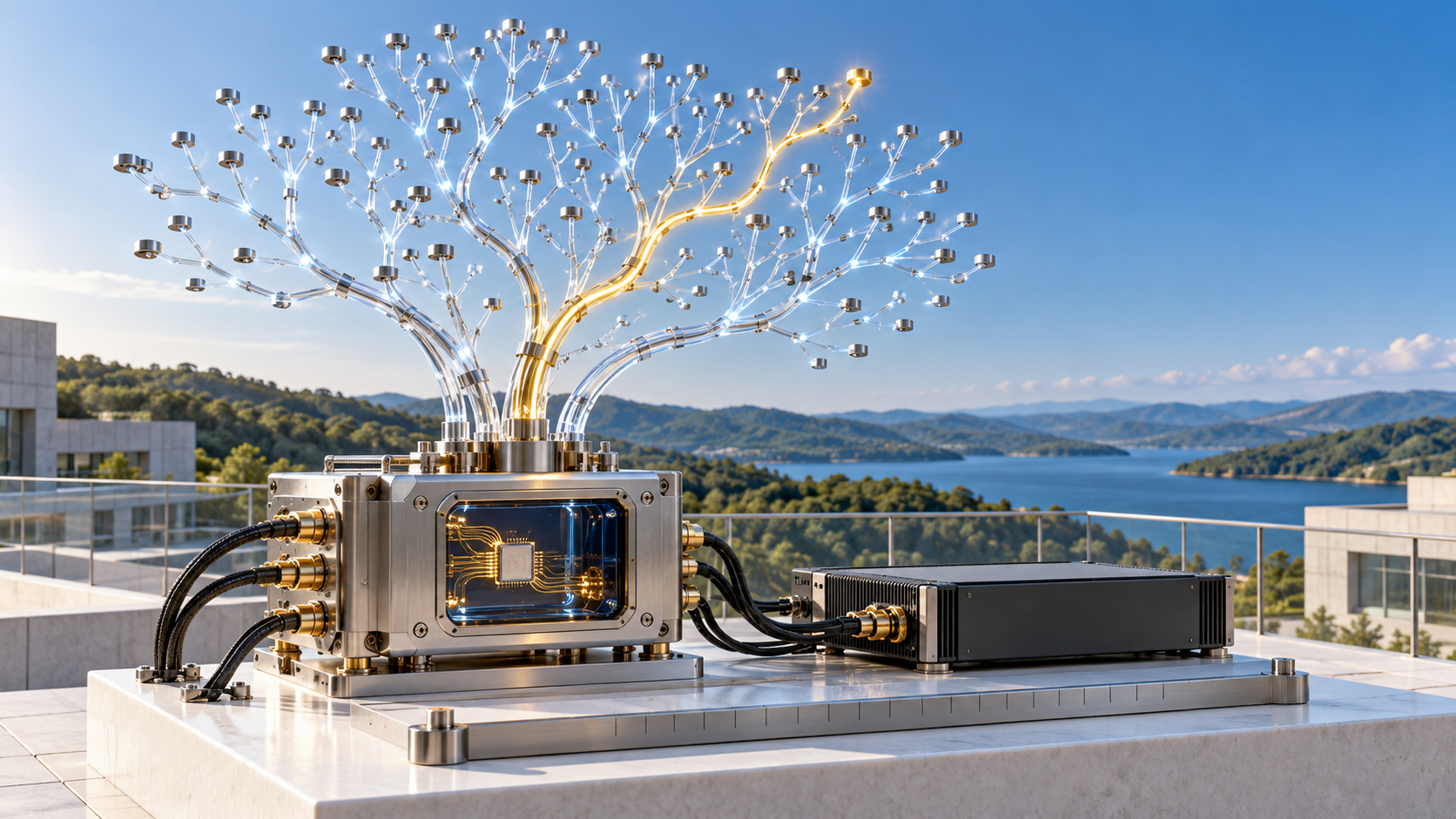
South Korea's DAPA Orders a Concept Study on Quantum Computing for Battlefield Prediction and Asset Optimization, 8 October 2026: What It Will Benchmark and Why It Has No TRL Yet
On October 8, 2026 South Korea's Defense Acquisition Program Administration ordered a concept study on quantum computing for battlefield prediction and asset optimization. It will type the computational problems of defense, compare classical methods, quantum simulators and hybrid environments on the same representative problems, and design a defense quantum computing benchmark with a non-sensitive standard problem family and synthetic data. The agency names the two obstacles itself, data input and output and the cost of transforming the problem, and the post lays out the classical baseline questions a program office should hold until the comparison is run. Technology readiness: not assessed, the announcement concerns a study, with insufficient evidence to assess a specific system.
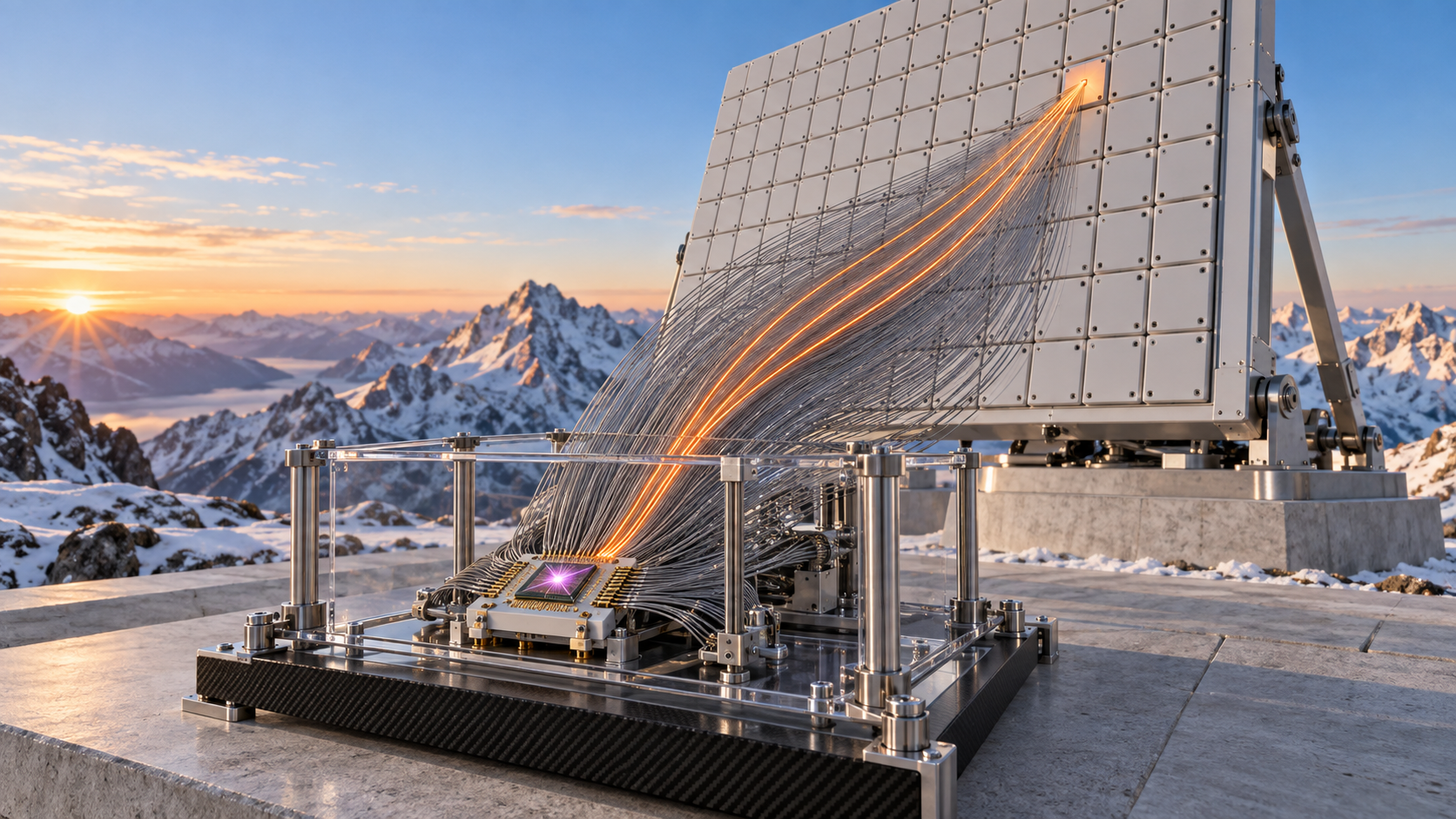
C12 and Thales Win the 2026 Quantum Effects Hardware Award for QuantumTrack, a Radar Multiple Hypothesis Tracker: What the April arXiv Paper Shows and the TRL 5 Label Does Not
C12 and Thales announced QuantumTrack on September 29, 2026 and took the Quantum Effects Award for quantum computing hardware with a hybrid method for real-time multi-target radar tracking. We read the April 2026 arXiv paper behind it: a carbon nanotube spin-qubit annealer tested in two synthetic tracking scenarios with one and two targets, and a 50 millisecond run time that rests on an active reset not demonstrated on the processor in the cited paper. The release's 100-times speed claim and its TRL 5 label are absent from the paper, so the defense-specific capability for air-defense radars facing saturation attacks sits at rung 3 of the shared ladder until the same scenarios run on physical hardware.
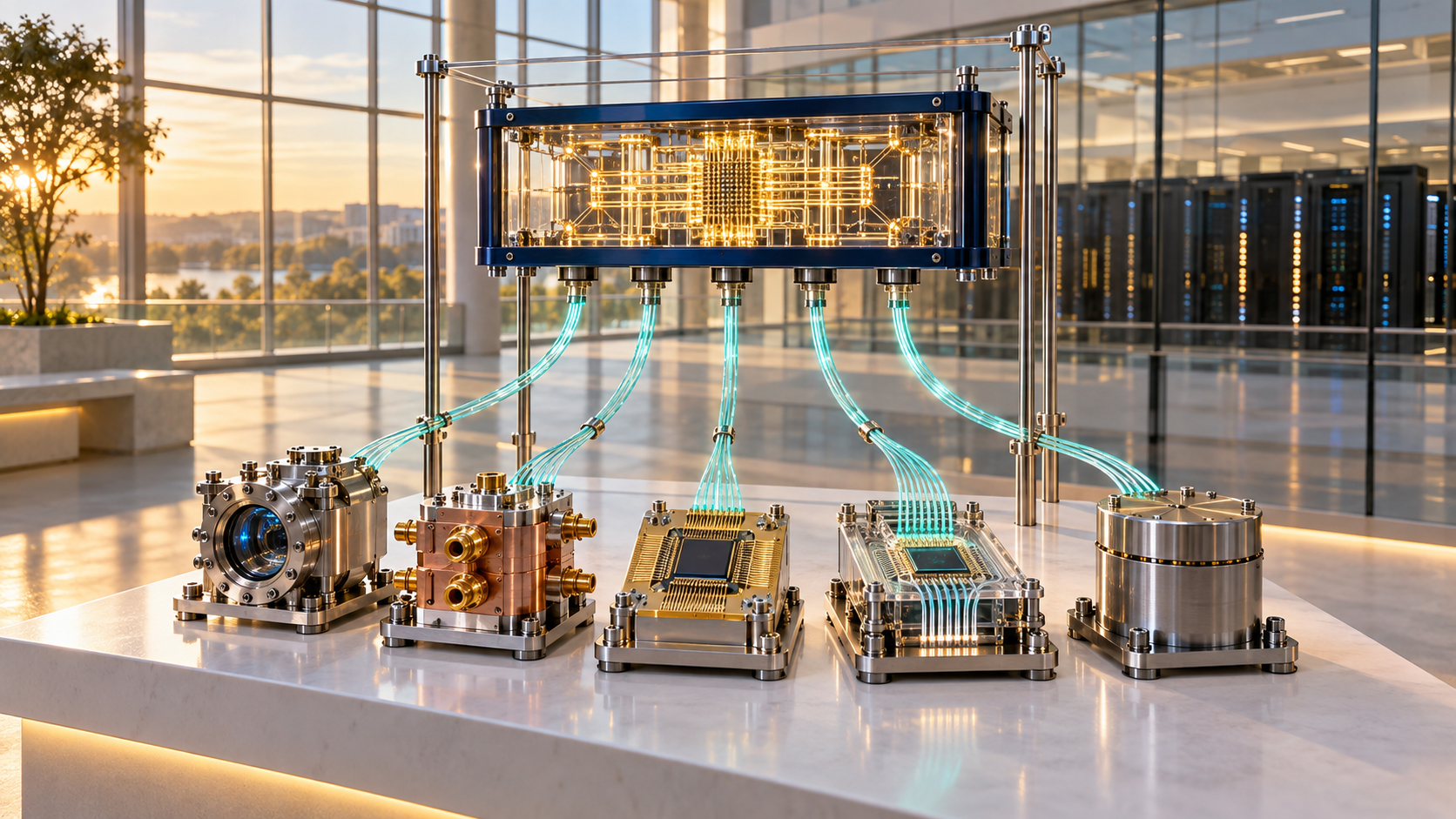
France's Defense Innovation Agency Launches ALIQUANTE, a Five-Year Classified Quantum Programming Platform From Thales, Bull and CEA for the PROQCIMA Computers, Announced 24 September 2026
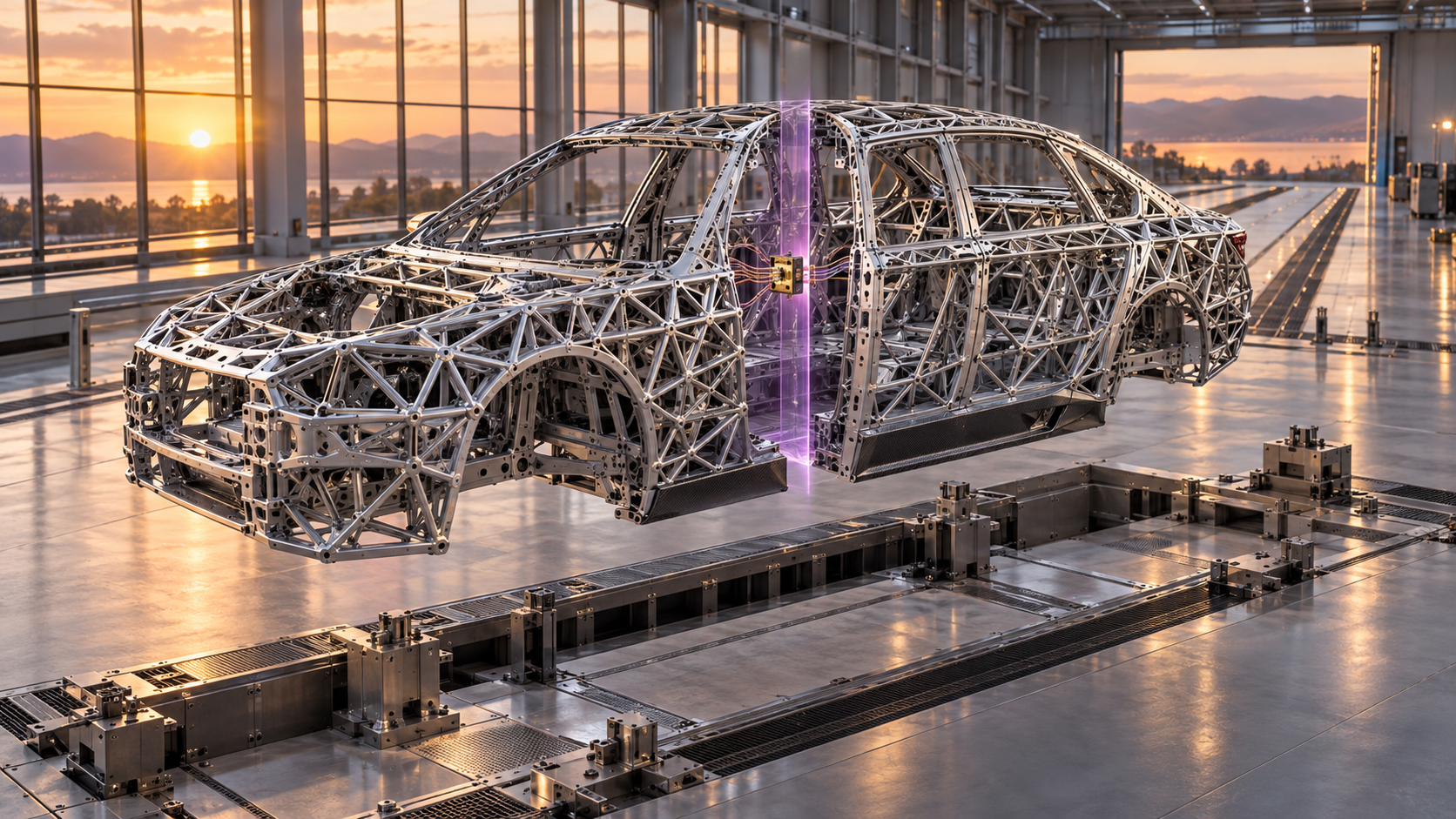
IonQ and Synopsys Put a 36-Qubit Forte Run Inside Ansys LS-DYNA, Cutting Wall-Clock Time by About 12 Percent on Hardware and Up to 14.6 Percent in Simulation, First Place at IEEE Quantum Week 2026
Eight authors from IonQ and Synopsys wired a non-variational quantum optimization routine into Ansys LS-DYNA, ran the first nested-dissection cut on the 36-qubit Forte trapped-ion system, and measured finite element analysis wall-clock time falling by about 12 percent on hardware and up to 14.6 percent for the drill in a simulated 80-qubit experiment, while simulated experiments overall reached 150 qubits only for the jet engine. We read what a faster crash and vibration solver means for survivability and airworthiness work, why the hybrid quantum-classical workflow is dual-use by construction, and what a missing classical ablation and best-case timings leave between an IEEE Quantum Week first-place paper and a program office relying on quantum-accelerated graph partitioning.

Lockheed Martin's F-35A Offset With armasuisse Pays for Switzerland's First IBM Quantum System Two at CSCS Lugano, With Alloy Simulation and Quantum Navigation as the Defense Research Slate
IBM and Lockheed Martin turned part of a 3 billion dollar F-35A offset obligation to armasuisse into Switzerland's first IBM Quantum System Two, to be installed at CSCS in Lugano under an ETH Zurich hub announced September 10, 2026 and expected to be operational by the end of 2026. We read the two reserved research projects, quantum navigation and printed-alloy metallurgy, against the one checkable result behind them: a sample-based quantum diagonalization study of methylene on 52 qubits, and we lay out what separates this defense industrial offset hub from a materials pipeline a program office can rely on.
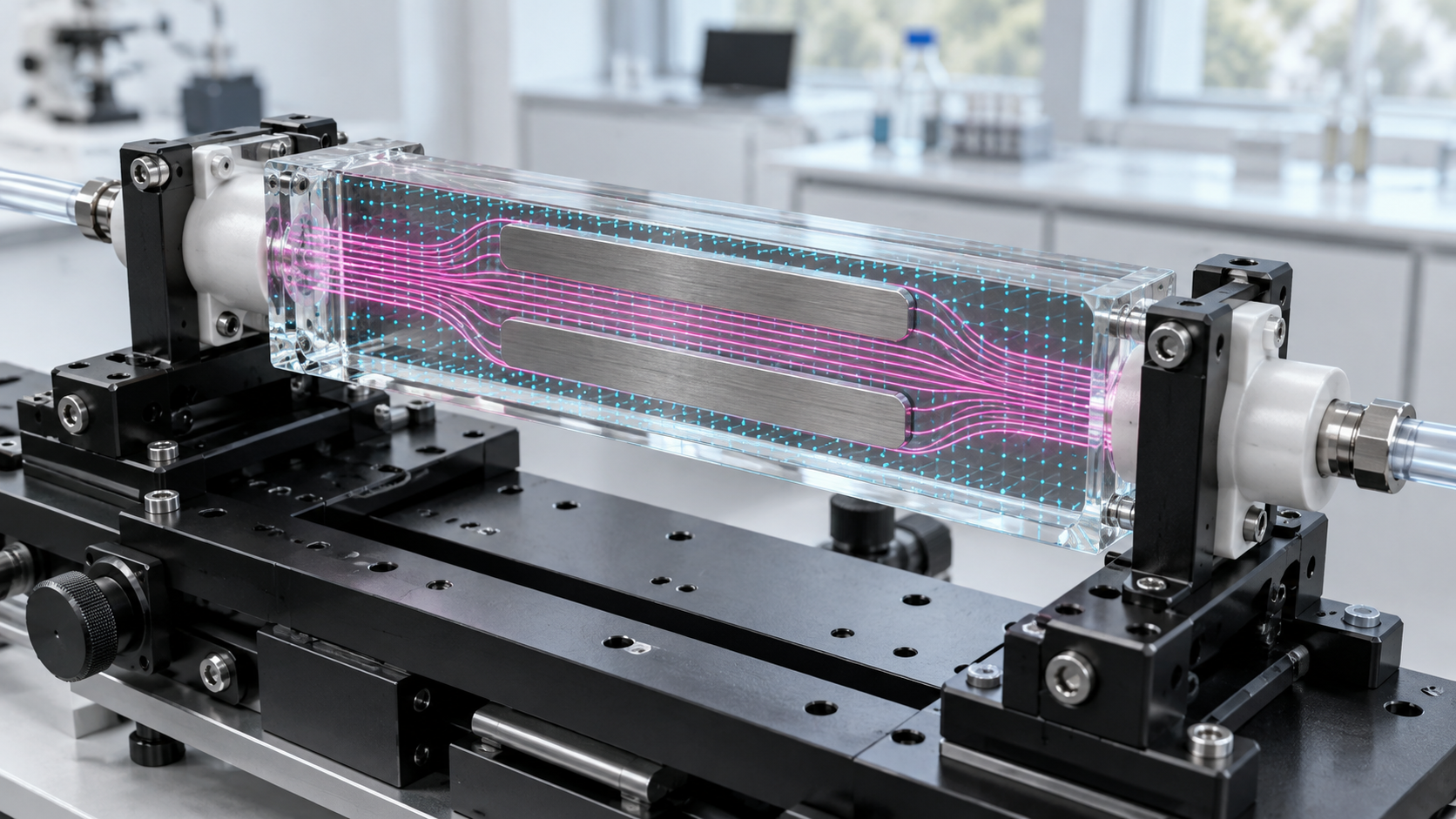
Peking University Puts Solid Walls Into a Quantum Fluid Solver: the Quantum Lattice Boltzmann Paper of 5 September 2026 and Its Emulated Flows at Reynolds 6 to 71
On September 5, 2026, Peking University's turbulence laboratory posted a quantum lattice Boltzmann method that carries solid walls, inlets and outlets inside the quantum computation, the ingredient separating quantum flow demonstrations from real geometry. We read its 23-qubit Poiseuille case at Reynolds 6.37 and its larger emulated flows up to Reynolds 71 as a dual-use step toward computational fluid dynamics on quantum machines, and measure the distance from a noiseless emulator to the turbulent, high-Mach regimes where aerodynamic design actually lives.

A Technion Team Fixes the Disconnected-Route Flaw in Quantum Vehicle Routing and Tests the Repair on IQM Emerald
A Technion team shows the standard QUBO vehicle routing encoding rewards routes that never touch the depot, proves a flow-based repair correct, and runs both versions on IQM's 54-qubit Emerald processor, where the corrected circuit returned no fully feasible route across its hardware runs. We read what that means for quantum optimization in military logistics and the questions a program office should now put to vendors.

The Battle Plan That Rewrites Itself in Sixty Seconds

Quantum Sampling Reaches a Nucleus Beyond a 768-GB Node's Memory
An IIT Roorkee team produced an unconverged approximate ground-state energy for the exotic nucleus magnesium-32 by sampling configurations from IBM quantum processors after their 768-gigabyte supercomputer node ran out of memory, the first use of sample-based quantum diagonalization on the nuclear shell model. A close look at why nuclear structure is a defense workload, how it feeds stockpile stewardship simulation and evaluated nuclear data, and the accuracy gap still separating a rented quantum sampler from a production weapons code.
China Is Willing a Quantum Industry Into Existence
Two ChinaTalk essays by Elias X. Huber, written eighteen months apart, bracket the sharpest question in quantum geopolitics: what happens when outbound investment controls wall off a sector that never needed American money. In H1 2026 China's quantum sector logged 44 financing rounds against 8 a year earlier, and the industrial machinery now spinning up is aimed at future cryptanalytically relevant quantum computers.

A 25-Qubit Test Puts Quantum Routing on the Logistics Map
A real-hardware test puts quantum routing inside an edge-assisted fleet architecture, revealing an early path toward contested logistics while scale, realism, and assurance remain open.
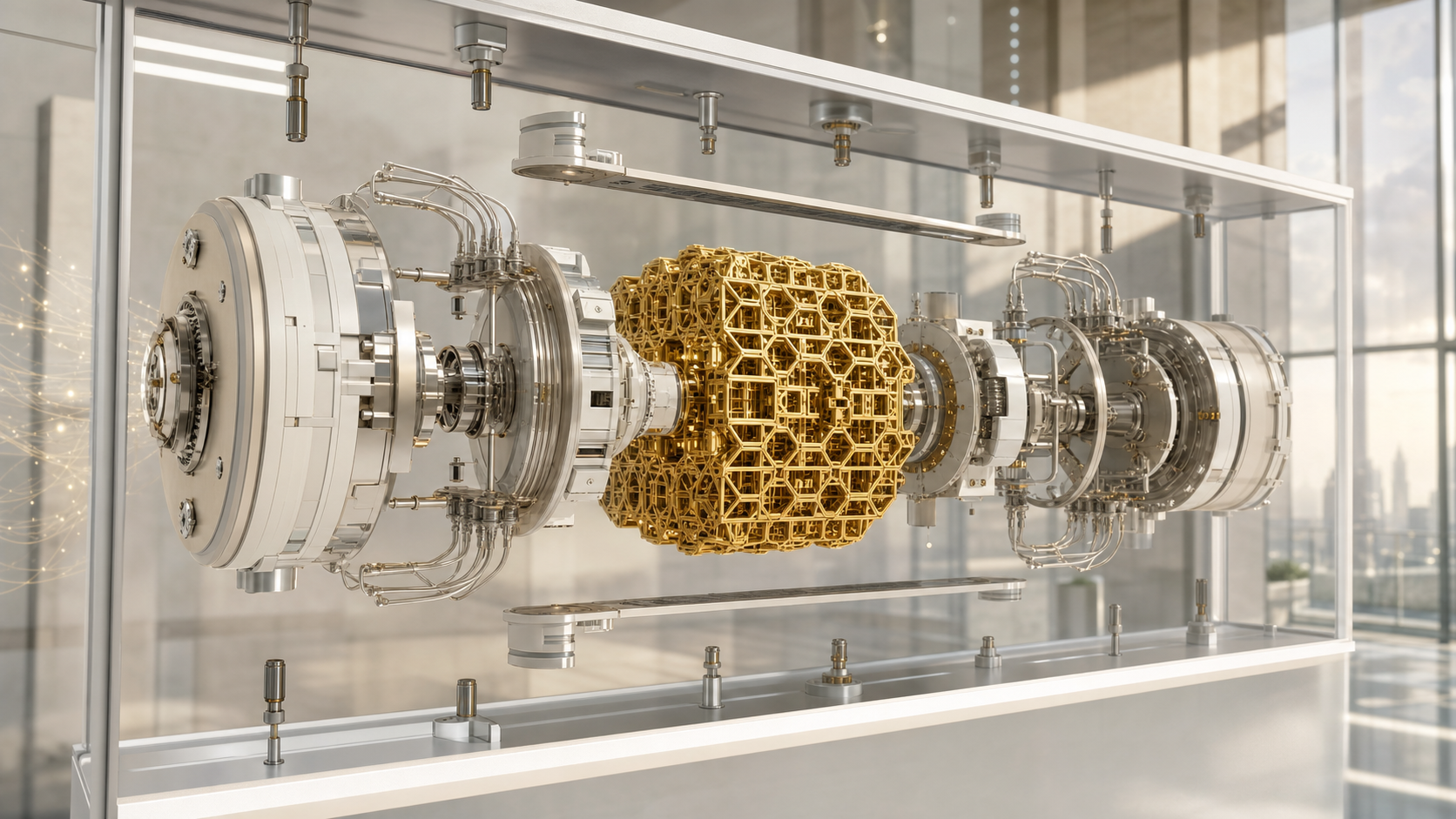
One Million Noisy Qubits Reprice the Attack on RSA-2048
A Google Quantum AI paper cut the projected hardware cost of breaking RSA-2048 by a factor of twenty. Here is what the new estimate means for harvest now, decrypt later and the arithmetic of your post-quantum migration deadline.