NATO's Quantum Technology Roadmap, Published 29 September 2026: QUESTOR Sea Trials for GNSS-Denied PNT in 2026 and 2027 and a Quantum Zero Beacon Pilot Between Brussels and Mons by Q4 2027
Brazil's Army Inaugurated a 12 km Quantum Key Distribution Link Between CITEx and the Ministry of Defense on 30 September 2026: What the Rede Quandanga Demonstration Shows and What It Leaves Open
UNSW Bench Test Posted 29 September 2026: Polarization Post-Selection Extends Entangled-Photon Clock Acquisition 2 to 3 dB Into Channel Loss, 30 to 40 Percent More Range for One Downlink
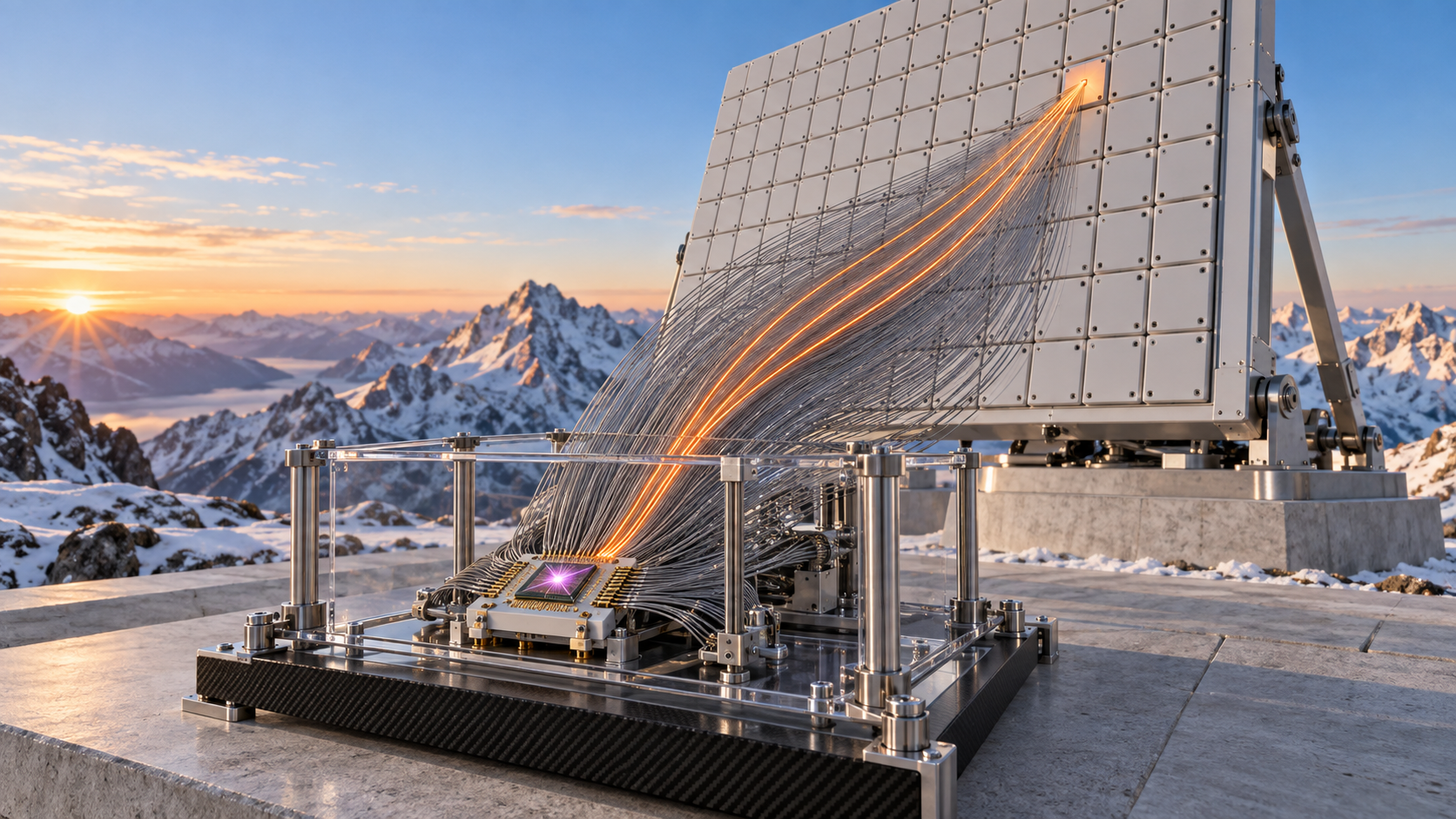
C12 and Thales Win the 2026 Quantum Effects Hardware Award for QuantumTrack, a Radar Multiple Hypothesis Tracker: What the April arXiv Paper Shows and the TRL 5 Label Does Not
C12 and Thales announced QuantumTrack on September 29, 2026 and took the Quantum Effects Award for quantum computing hardware with a hybrid method for real-time multi-target radar tracking. We read the April 2026 arXiv paper behind it: a carbon nanotube spin-qubit annealer tested in two synthetic tracking scenarios with one and two targets, and a 50 millisecond run time that rests on an active reset not demonstrated on the processor in the cited paper. The release's 100-times speed claim and its TRL 5 label are absent from the paper, so the defense-specific capability for air-defense radars facing saturation attacks sits at rung 3 of the shared ladder until the same scenarios run on physical hardware.
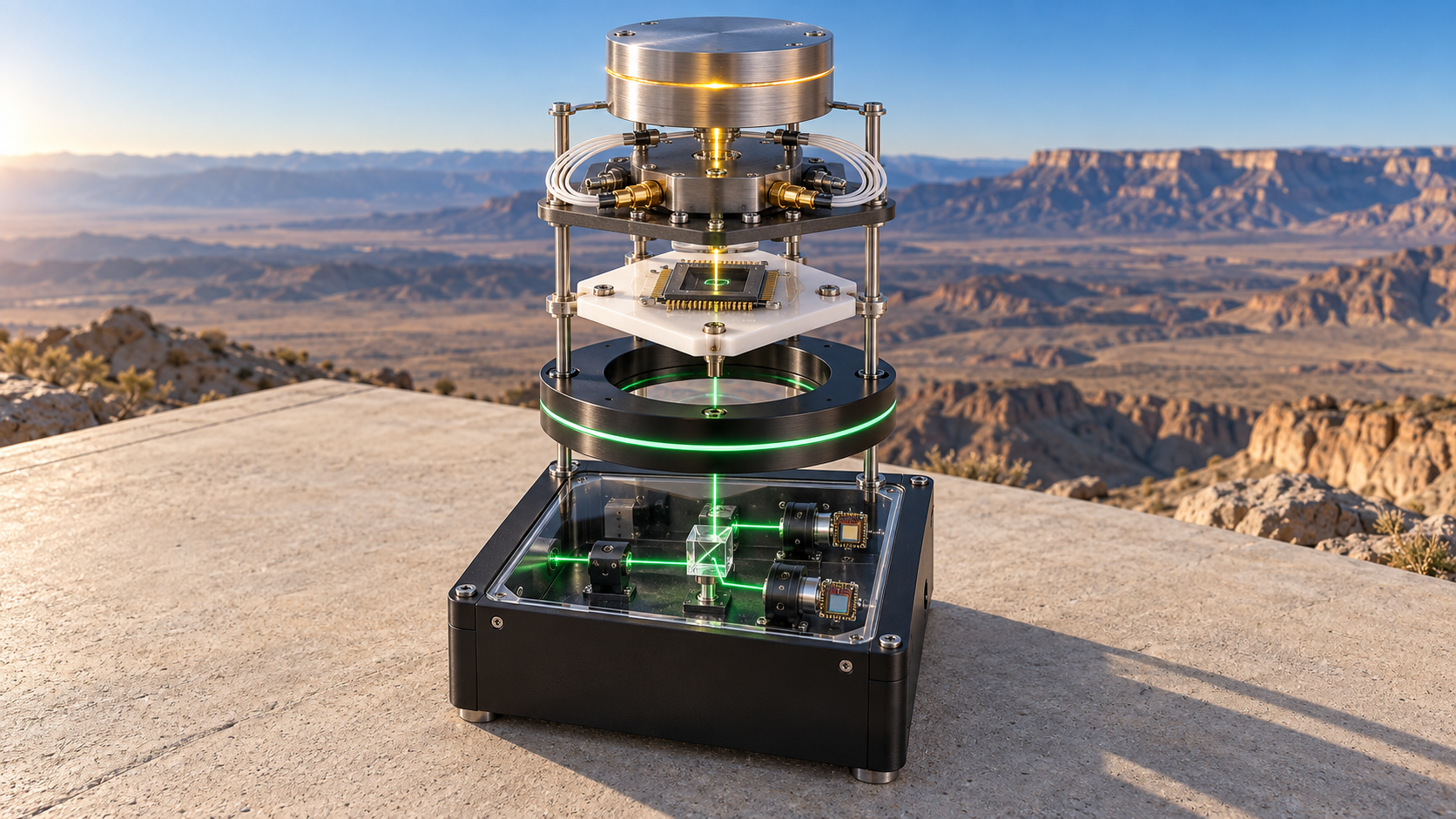
ETSI TR 104 171, Announced 24 September 2026, Sets Entropy Zero Trust and Four Trust Levels for Quantum Random Number Generators: What Its Side-Channel Catalog Means for Military Key Generation
ETSI announced on September 24, 2026 its technical report TR 104 171, published in March 2026, on building a quantum random number generator whose output stays unpredictable once real detectors, power supplies and drivers surround the quantum source. We read its Entropy Zero Trust profile, its four trust levels up to a military and critical-infrastructure grade, and its catalog of blinding, electromagnetic, radiation, power and timing side channels as defense-specific capability: who gains from an attested entropy source beneath a hardware root of trust, what a surveillance-drone one-time pad and a certificate authority ask of the same device, and why an informative report with no test method for its top trust level still leaves a program office to write its own acceptance test.
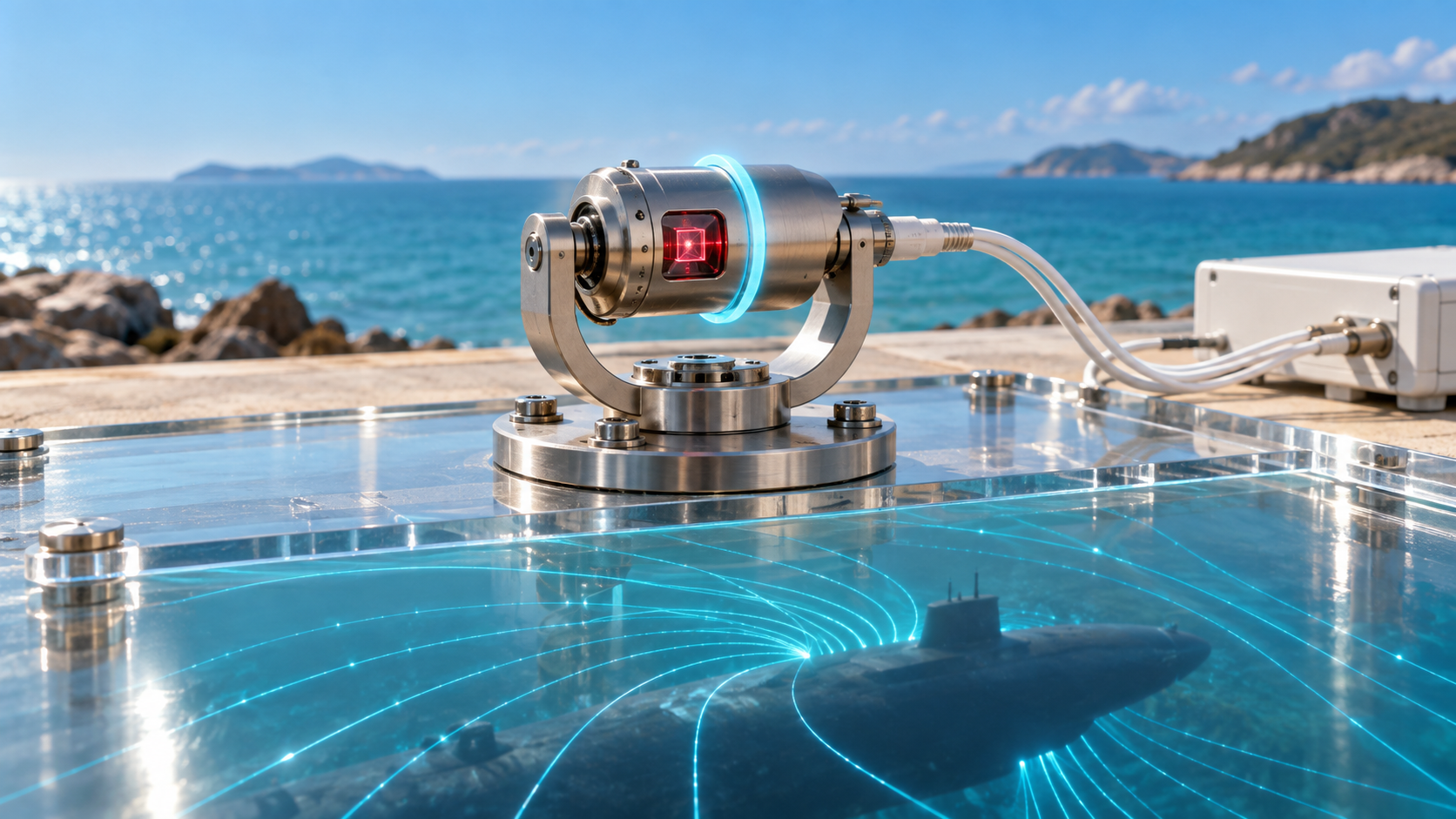
USTC's Wang, Jiang and Peng Field-Test a 7 cm³ Rubidium Magnetometer at 10 pT/√Hz and 25,200 nT/s Slew: Subway Trains, a G4 Storm and a Buried Magnet, Acta Physica Sinica, September 2026
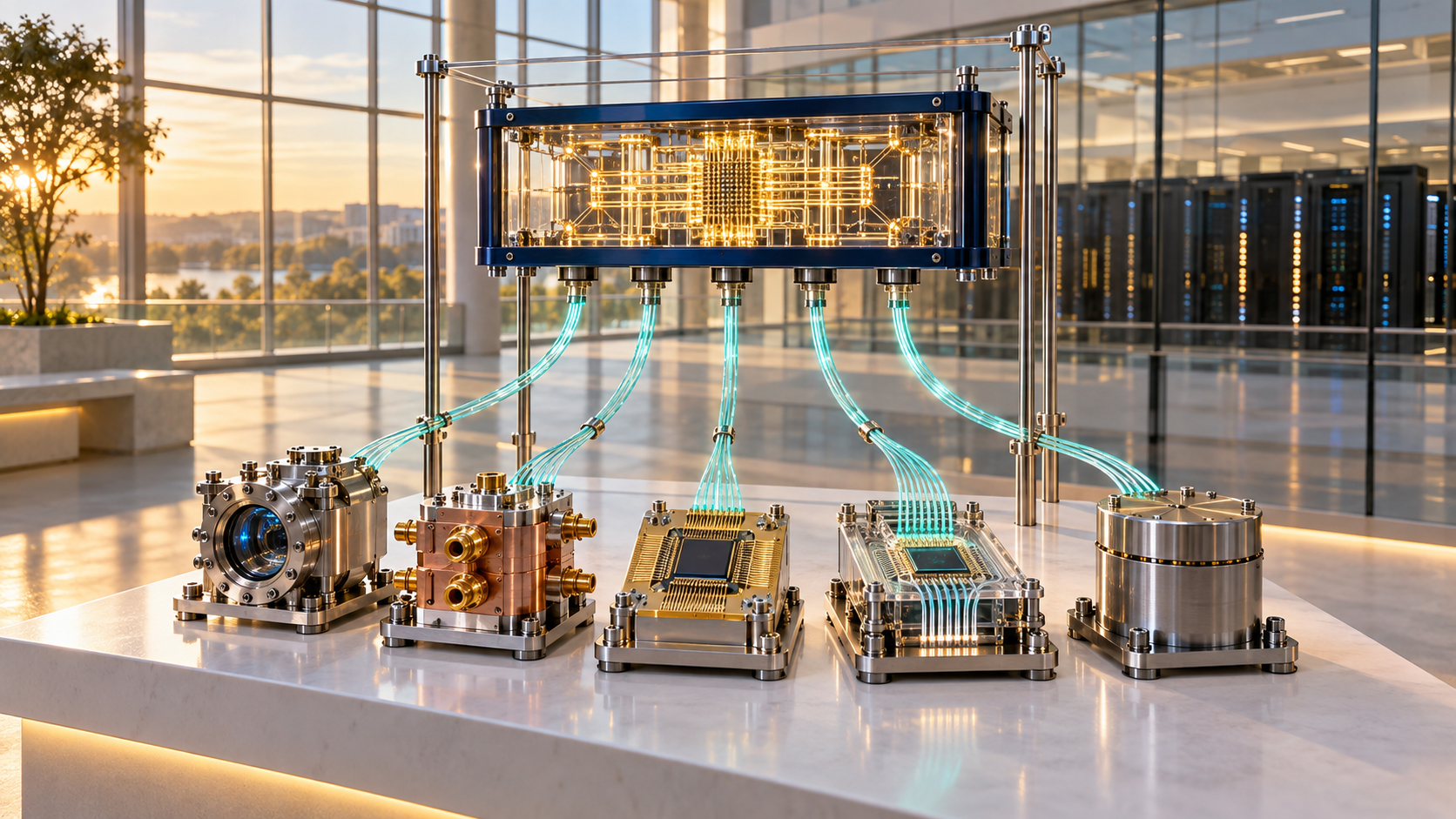
France's Defense Innovation Agency Launches ALIQUANTE, a Five-Year Classified Quantum Programming Platform From Thales, Bull and CEA for the PROQCIMA Computers, Announced 24 September 2026
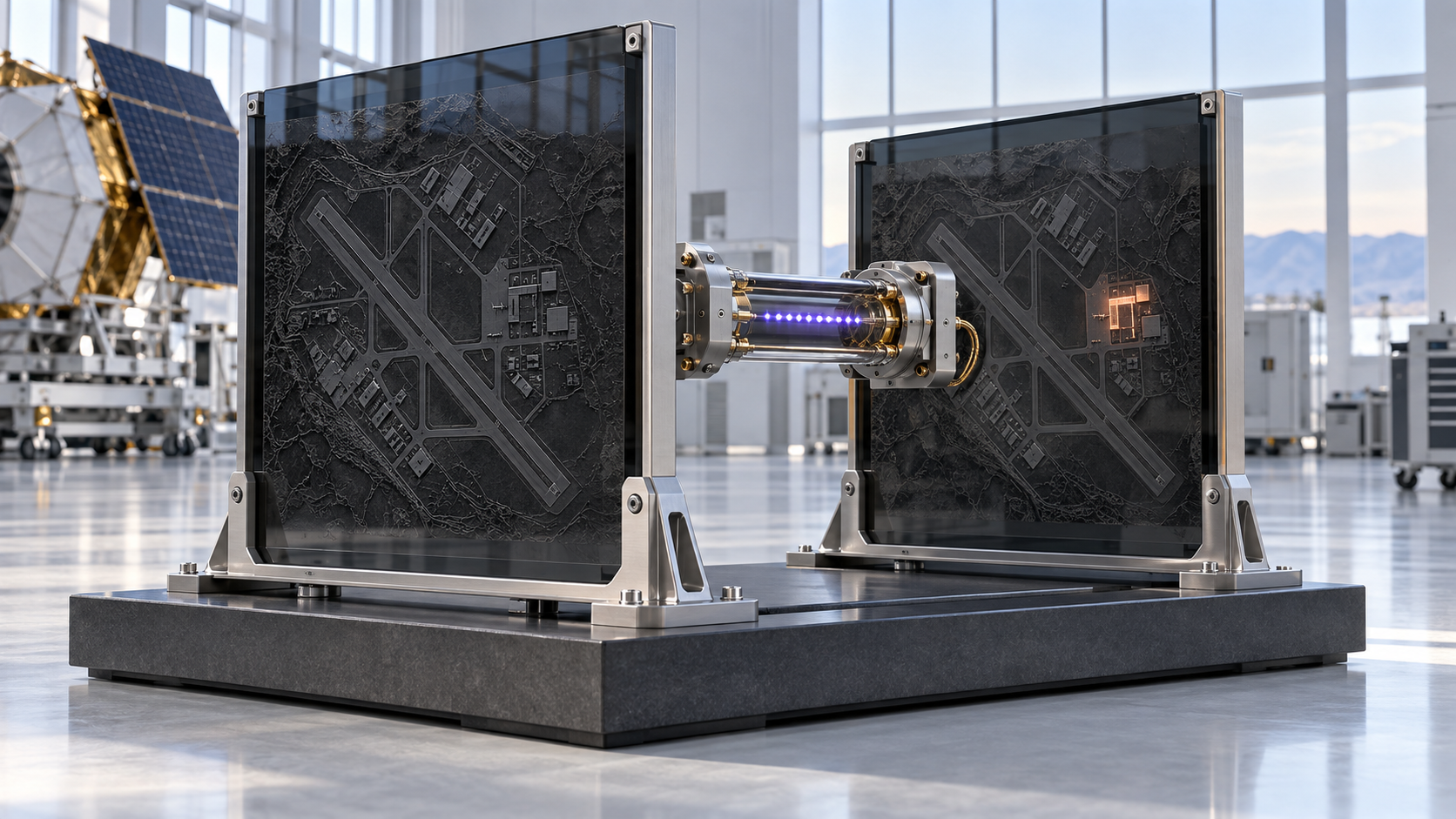
IonQ and Capella Run a 20-Qubit Quantum Circuit Born Machine for SAR Change Detection on Forte Hardware: Filtered F1 0.32 Against 0.24 and 0.16 at MCAS Miramar, arXiv 2609.05313, 4 September 2026
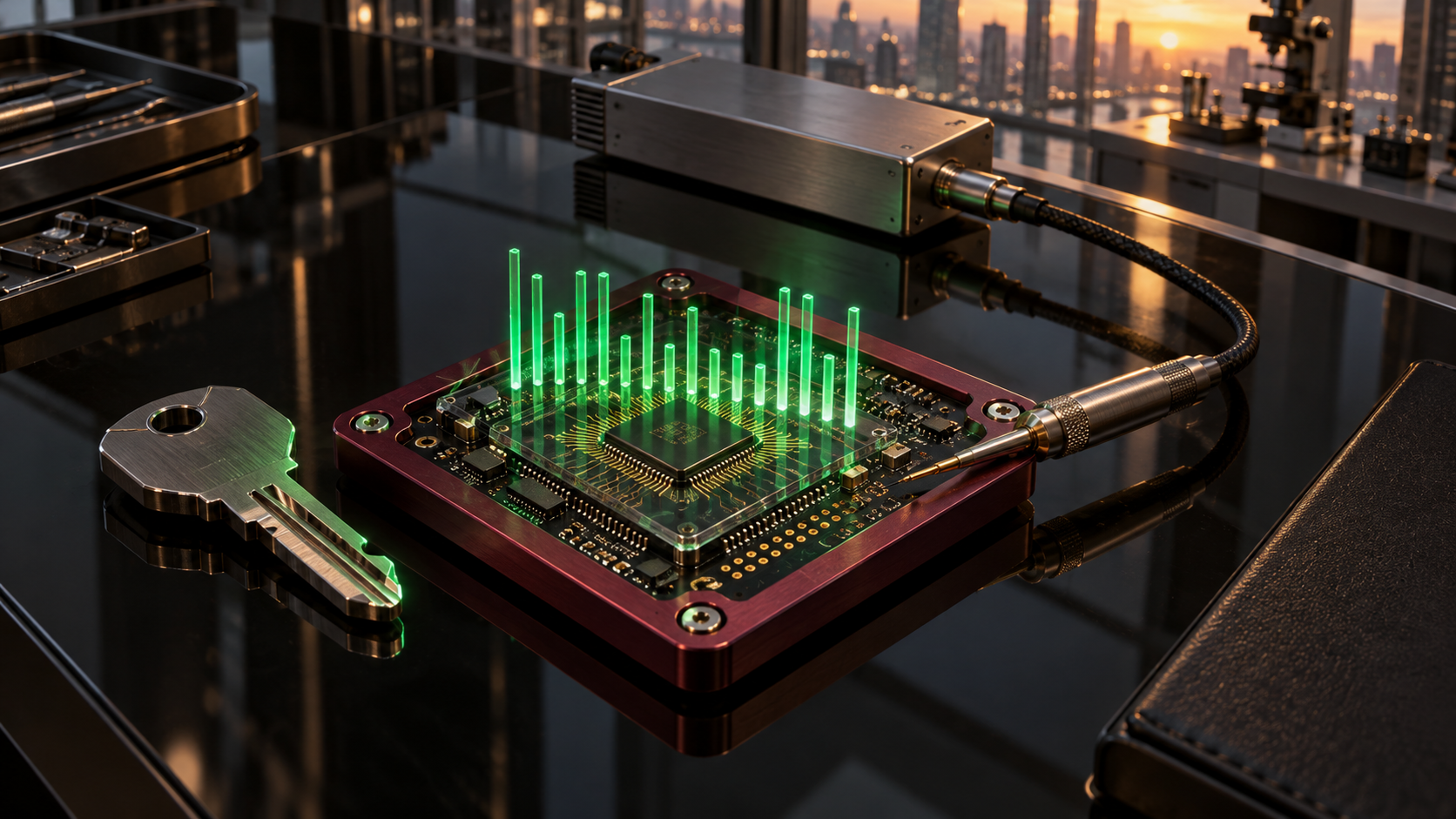
Shandong University's Chen and Li Recover 16 Private-Key-Dependent Bits From BIKE's BGF Decoder by Deep-Learning Power Analysis at 95.68 Percent, Cybersecurity 9:215, 16 September 2026
On September 16, 2026, the journal Cybersecurity published a paper by Geng Chen, Yanbin Li and colleagues at Shandong University that reads a private-key-dependent 16-bit sequence out of the BIKE post-quantum decoder from a single power trace on an ARM Cortex-M4 board, at 95.68 percent perfect recovery. We read the deep-learning side-channel attack as an offensive extraction method, weigh what it does and does not transfer to the ML-KEM and HQC code a force will field, and set out the missing key-recovery stage, the untested countermeasures and the single-board evidence that stand between this post-quantum implementation security result and anything a program office would plan against.
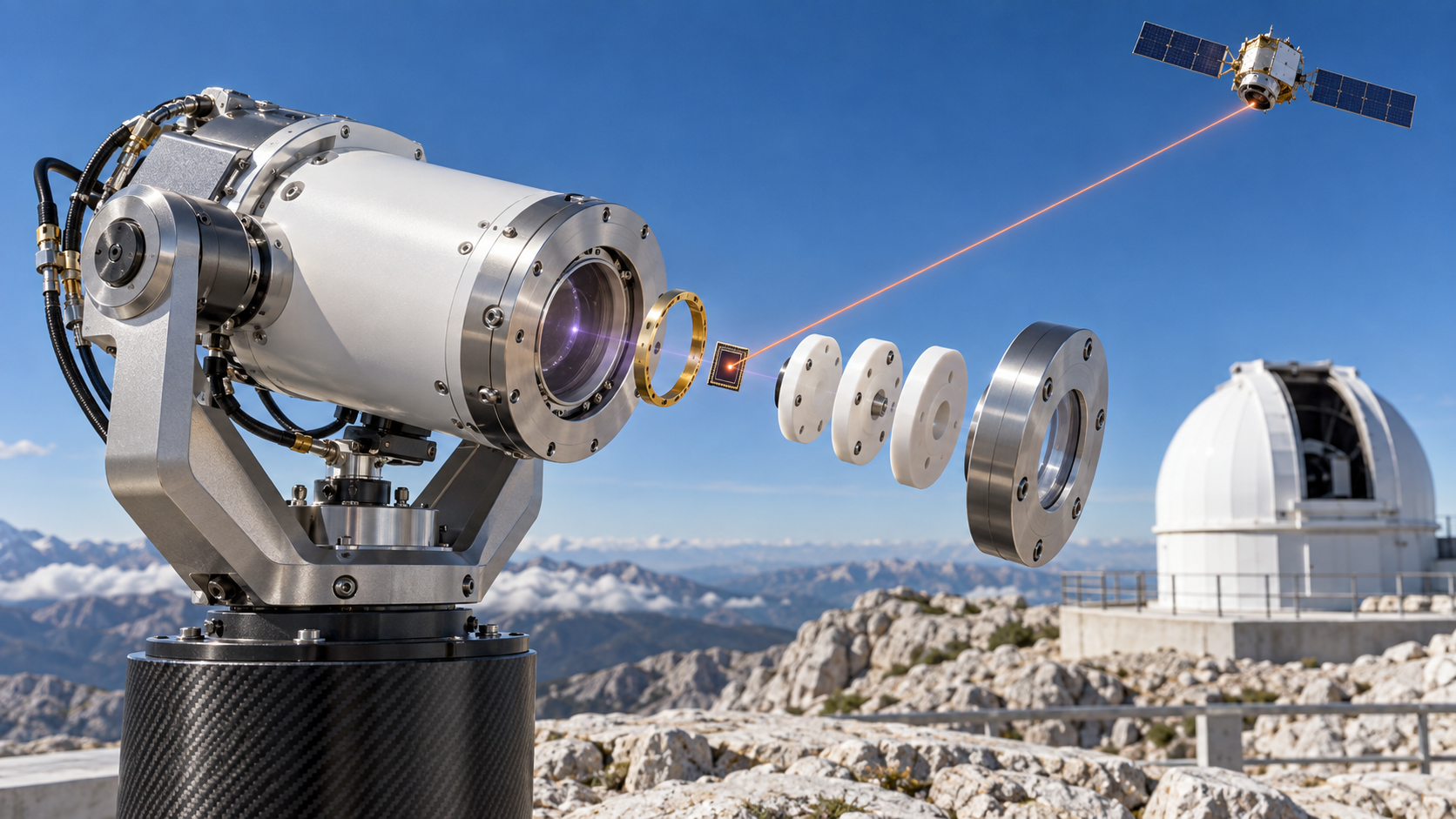
Creotech Quantum Signs a 2.33 Million Euro ESA Contract to Take Superconducting Nanowire Detectors for Satellite QKD Ground Stations to TRL 5 in 24 Months, Announced 21 September 2026
On September 21, 2026, Creotech Quantum announced a 2.33 million euro ESA contract to carry its superconducting nanowire single-photon detector from proof-of-concept prototypes to a TRL 5 demonstrator in 24 months for satellite QKD ground stations, with Eagle-1 as a potential application rather than an established destination for the deliverable. We read what a European receiver could add to the satellite QKD ground segment, why the posture is dual-use across defense, telecommunications and deep-space links, and why the missing performance figures, the unnamed consortium and an unflown satellite are what stand between this contract and a European quantum key distribution capability a program office can rely on.
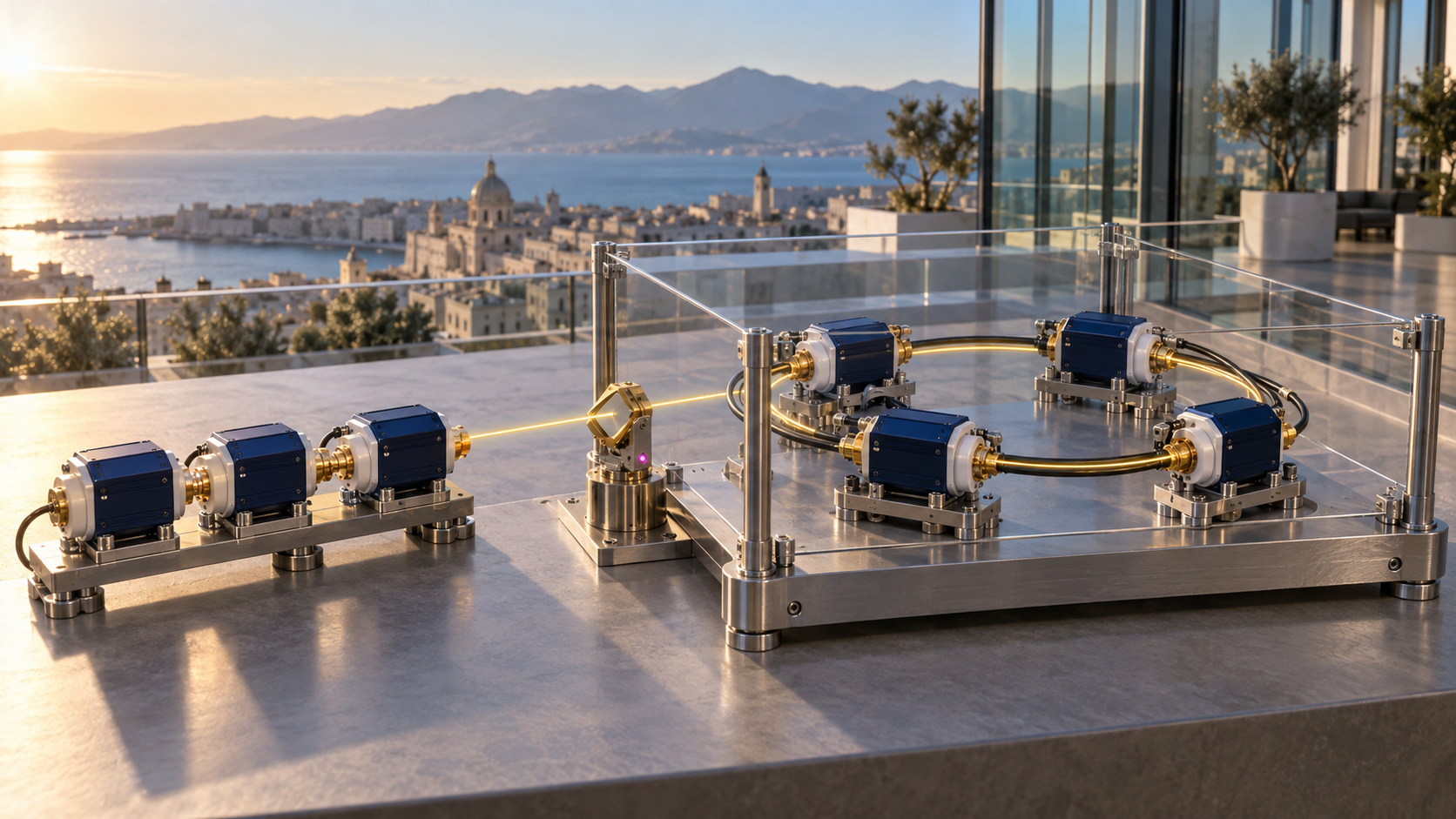
Cyprus University of Technology Reports 99.1 Percent Mean Scheduled-Link Availability Across a Seven-Node QKD Network Over Existing Nicosia Fiber for 73 Days, arXiv 21 September 2026
Seven researchers at the Cyprus University of Technology deployed a seven-node quantum key distribution network over 42 kilometers of existing government fiber in Nicosia and ran it for 73 days, generating 119.4 gigabits of secret key with 99.1 percent mean scheduled-link availability using commercial QKD units, encryptors and a proprietary key manager. We read what a trusted-node ring joined to a second cluster by one optical switch lets a government do, why the posture is defensive, and why the publication's limited implementation and audit evidence stands between this metropolitan QKD network and independent assessment by a program office.
Georgia Tech's Jo and Lee Cut the Quantum Elliptic Curve Attack to 5n/2 Logical Qubits and Near-Quadratic Toffoli Gates, IACR ePrint 2026/2014, 14 September 2026
Sunghyeon Jo and Gye Jin Lee of Georgia Tech and QED Audit posted an IACR ePrint on September 14, 2026 that solves the elliptic curve discrete logarithm problem with 5n/2 + o(n) logical qubits and near-quadratic Toffoli gates, lowering both the width and the gate bound of the July construction by Luo and colleagues. We read how an invariant of the extended Euclidean algorithm lets the circuit keep three of four values and rebuild the fourth, why the widely quoted 640 logical qubits for P-256 is a leading term and not a circuit size, and what this offensive quantum cryptanalysis result changes for ECDH and ECDSA still fielded across defense systems.
Saarland University and UCL Generate a 10-Tooth Microwave Frequency Comb From a Room-Temperature Diamond Maser at 9.23 GHz, arXiv 19 August 2026
Four authors from Saarland University and University College London pumped a nitrogen-vacancy diamond maser past its ordinary threshold and watched its single 9.23 gigahertz line turn into a microwave frequency comb of up to 10 teeth spaced 3.8 kilohertz apart, at room temperature and without a vacuum chamber. We read what a cryogen-free comb source would mean for GPS-independent timing and for the low-noise amplification a receiver front end depends on, why the work is dual-use, and why the missing stability measurement keeps this room-temperature diamond maser at a bench proof of concept.
Haldar, Guha, Towsley and Rozpędek Simulate Encoded Hybrid Quantum Repeater Chains Over 960 Kilometers With a Quarter of the Costly Memories, arXiv 17 September 2026

IonQ and Synopsys Put a 36-Qubit Forte Run Inside Ansys LS-DYNA, Cutting Wall-Clock Time by About 12 Percent on Hardware and Up to 14.6 Percent in Simulation, First Place at IEEE Quantum Week 2026
Eight authors from IonQ and Synopsys wired a non-variational quantum optimization routine into Ansys LS-DYNA, ran the first nested-dissection cut on the 36-qubit Forte trapped-ion system, and measured finite element analysis wall-clock time falling by about 12 percent on hardware and up to 14.6 percent for the drill in a simulated 80-qubit experiment, while simulated experiments overall reached 150 qubits only for the jet engine. We read what a faster crash and vibration solver means for survivability and airworthiness work, why the hybrid quantum-classical workflow is dual-use by construction, and what a missing classical ablation and best-case timings leave between an IEEE Quantum Week first-place paper and a program office relying on quantum-accelerated graph partitioning.
NIST Widens Superconducting Nanowire Single-Photon Detectors to 0.1 Millimeter and Cuts Dark Counts by Ten Orders of Magnitude, Published in Optica on August 19, 2026 Under DARPA's SynQuaNon Program
Sorbonne, Welinq and Leiden Demonstrate Private Quantum Networked Sensing With a Four-Photon GHZ State at 96.9 Percent Fidelity, arXiv 15 September 2026

Malaysia Is the Only ASEAN State Rated Tier 1 for Post-Quantum Cryptography Migration Readiness in SITG-Consulting's September 2026 Assessment of the ASEAN-10
The 27.4 Million Euro ADEQUADE Project Closed in June 2026: Thales, Indra, Leonardo and Diehl Hand Europe Roadmaps for GNSS-Denied Navigation, Rydberg RF Detection and Single-Photon Imaging
Indra's September 14 announcement announces ADEQUADE's June conclusion, the 27.4 million euro European Defence Fund project in which Thales, Indra, Leonardo, Diehl and 27 other partners spent three and a half years deciding which quantum sensing technologies Europe should carry toward its platforms. We read what the project establishes across GNSS-denied navigation, Rydberg RF detection and single-photon imaging, and what still separates a concluded research action from a system a program office can rely on.